Can You Still Hold a Sloth in Roatán? The 2025 Rule Change, Explained
Since 1 March 2025 nobody on Roatán can put a sloth in your arms, and the reason has more to do with five sloths intercepted at a mainland dock than with tourism policy.
Booking Choice: Observe sloths without planning around a holding photo. Explore Sloth And Monkey Sanctuary Excursion ↗
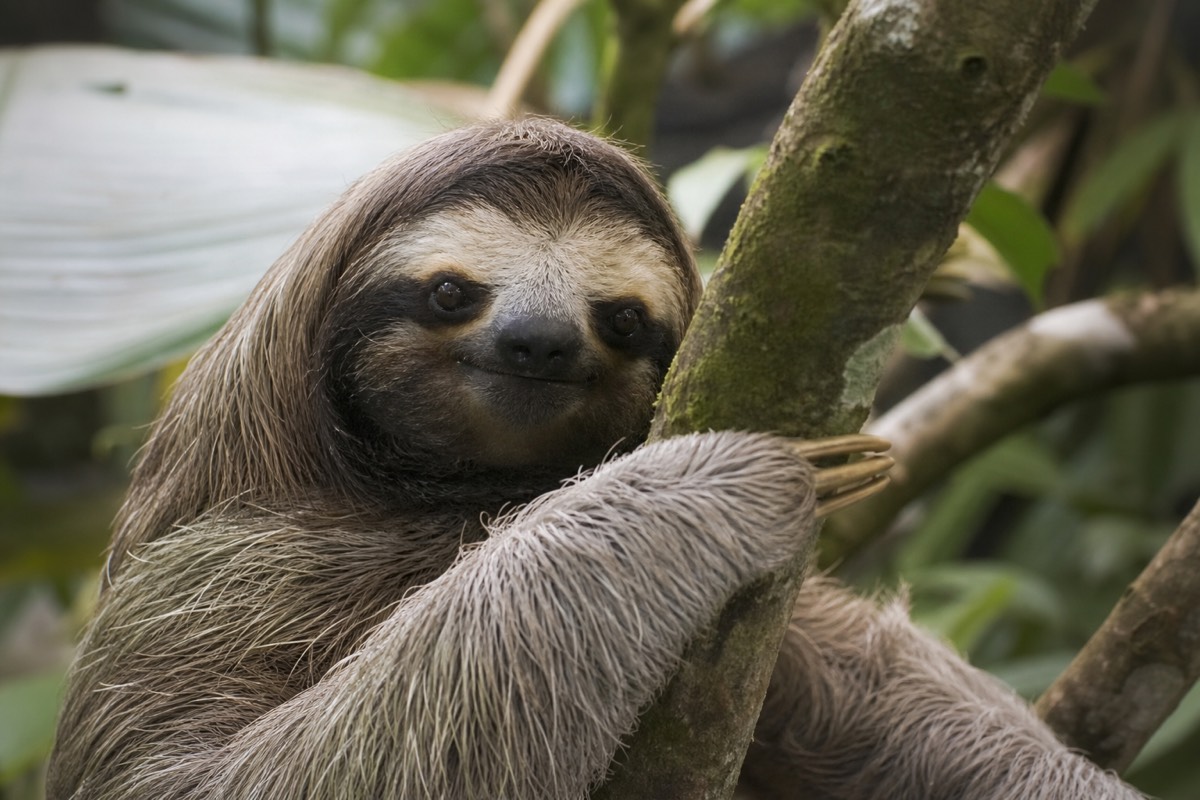
Can you still hold a sloth in Roatán?
No. You cannot hold, hug or carry a sloth in Roatán any more. Honduras restricted the handling of wildlife for exhibition and for photographs, and enforcement on the island began on 1 March 2025. You can still visit the sanctuaries, stand close, watch the animals and photograph them where they are.
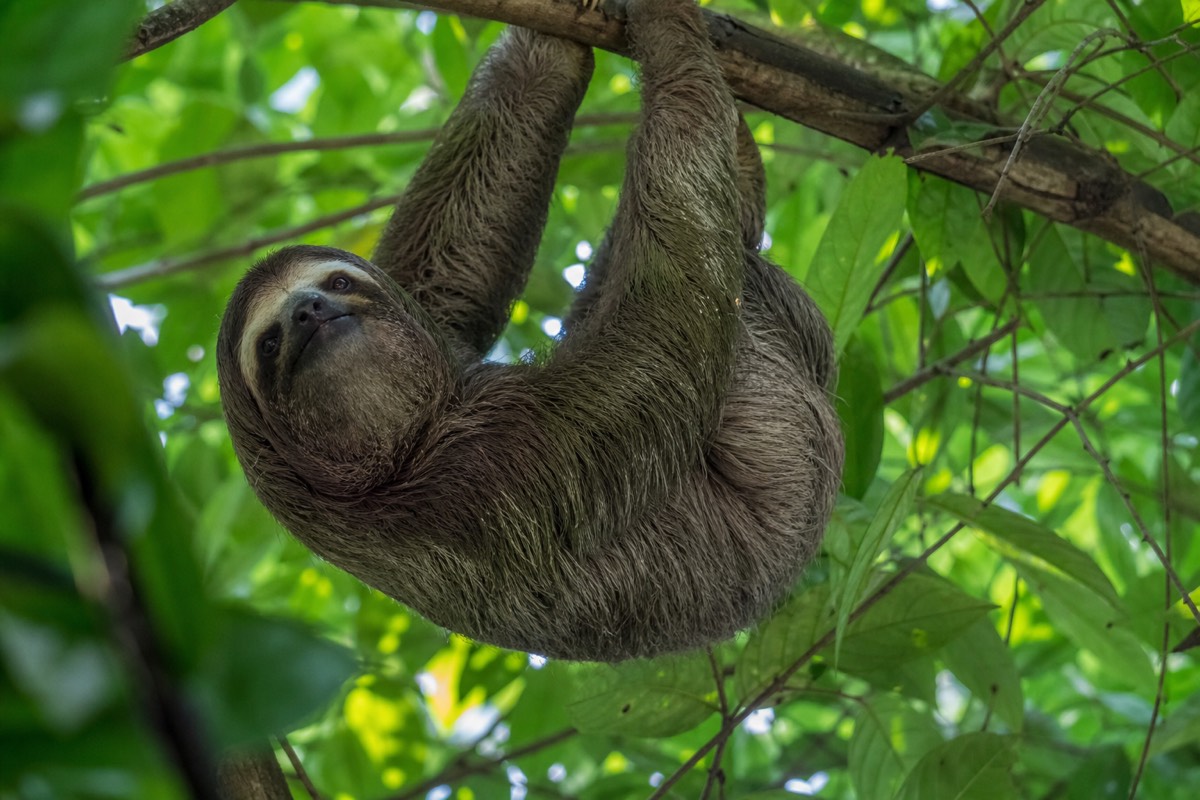
This is the single most common question travellers arrive with, and the reason it keeps being asked is that the internet has not caught up. Excursion pages, blog posts and package descriptions written before 2025 still show somebody cradling a sloth, and they are still ranking. If a page is promising you a sloth in your arms, the page is out of date. There is no park on Roatán where this is still on the menu, and no operator who can arrange an exception.
The operators on the dedicated sanctuary excursion say so on their own booking pages. The FAQ on the dedicated sanctuary tour reads: "Can I hold the sloths? No, per 2026 Honduran law, holding sloths is not permitted, but you will get very close for photos." Two private day tour pages note that regulations no longer permit sloth hugging and point visitors toward observing and photographing instead.
What exactly does the 2025 rule say, and who issued it?
Honduras's wildlife authority, the ICF, issued an official document on 24 January 2025 through its wildlife department, restricting what it called the over-manipulation of wildlife. The rule defines that as carrying and holding animals for exhibition and for photographs. Enforcement on Roatán started on 1 March 2025.
ICF stands for the Instituto Nacional de Conservación y Desarrollo Forestal, Áreas Protegidas y Vida Silvestre. It is the national body responsible for forests, protected areas and wildlife, so this is a wildlife-management decision from the agency that manages wildlife, not a tourism policy. You can read about the agency at the ICF, the Honduran conservation and wildlife authority.
Two details matter for planning. The first is that the restriction is about handling, not about access: nothing in it closes the sanctuaries or stops you photographing the animals. The second is the gap between the document date and the enforcement date, which is why some accounts from early 2025 describe holding a sloth and later ones do not. Both can be accurate about the month they describe.
Why did Honduras stop sloth handling on Roatán?
The ICF cited a sharp rise in illegal wildlife trafficking, mismanagement and over-manipulation of animals on Roatán. The incident immediately before the document was the rescue of five sloths on 14 January 2025 at the La Ceiba cabotage dock, captured in La Mosquitia and being moved to the island.
That is the part most travellers never hear, and it changes how the rule reads. Demand for a photograph with a sloth in your arms was creating a supply problem on the mainland. Sloths were being taken from the wild and moved to where the tourists were. The restriction goes at the demand side of that, which is a more direct fix than anything an individual park could do on its own.
We are not going to inflate this with enforcement statistics, fines or prosecutions, because we have none we can stand behind. What is documented is the date, the agency, the definition and the rescue that preceded it.
Does the rule cover monkeys and parrots too?
Yes. The restriction is on handling wildlife for exhibition and for photographs, and it is not limited to sloths. Monkeys, parrots and similar animals are covered by the same rule, so no member of staff will be placing a capuchin or a macaw on you either.
In practice the capuchins are the species where the distinction gets interesting. At the sanctuaries where they are free-ranging inside the property, they approach visitors on their own terms, climb, investigate bags and generally do as they please. That is the animal choosing the interaction, which is a different thing from staff handing one over for a photograph. Do not ask for the second version, and do not tip for it.
How did the cruise lines change their Roatán excursions?
Royal Caribbean and Carnival both rewrote their Roatán shore excursion descriptions after the rule took effect, removing the handling promise. Passengers who had booked months in advance on the old wording found the change on arrival, which produced a wave of coverage in March 2025.
The reporting worth reading is the account of the port ban that caught cruise passengers by surprise and the follow-up on how the new rules reshaped Carnival's shore excursions. If your excursion was booked through a ship's desk before 2025 and the confirmation still mentions holding, the confirmation is the stale document, not the island.
| What you are picturing | Before 1 March 2025 | What happens now |
|---|---|---|
| A sloth placed in your arms | The headline of most excursion listings | Not permitted anywhere on Roatán |
| Hugging or carrying a monkey | Routinely advertised | Covered by the same restriction on handling |
| Photos and selfies | Yes | Yes, with the animal where it is |
| Getting close to the animals | Yes | Unchanged; the capuchins still approach visitors themselves |
| Guide commentary | Brief, built around the photo queue | More time on rescue stories and the conservation programme |
| Cruise line wording | Promised handling | Rewritten by Royal Caribbean, Carnival and others |
What does a Roatán sanctuary visit look like now?
A guided walk of roughly 60 to 90 minutes among free-ranging rescued capuchins, sloths in the lower branches, scarlet macaws and parrots, with your guide explaining where each animal came from. Photos and selfies are fine throughout, taken with the animal in place rather than in your hands.
The practical instructions have not changed either. Wear snug clothing with nothing dangling, because the capuchins investigate straps and jewellery. Skip perfume and cologne, since the animals have sensitive senses and the whole visit is now built around keeping them calm. Go early: the first hour after opening is when the monkeys are active, the heat is lowest and the guides have time to talk, while the middle of a multi-ship day means groups of 20 to 50 cycling through in waves.
We go through each park, what it includes, what it costs at the gate and which tours bundle which sanctuary in our guide to Roatán's sloth and monkey sanctuaries.
Is the sanctuary still worth booking without the sloth hug?
For most visitors, yes. The animals, the proximity and the rescue stories are all intact, and the parks remain one of the few Roatán activities with no minimum age. If the photograph in your hands was the entire point of the booking, be honest with yourself, because nothing on the island will deliver it now.
Our honest read is that the visit lost a gimmick and kept the substance. A free-ranging capuchin deciding to sit near you is a better story than a staged photo, and the guides now have room to explain the rescue programme instead of managing a queue. For families this is worth a short conversation in advance: a child who has seen the old photos will ask, and the real answer, that too many sloths were being taken from the wild, tends to be the thing they remember. We cover the rest of the family logistics in the guide to the excursions that work with young children.
If you are fitting this into a port day, the sanctuary is a morning activity that leaves the afternoon free, which is exactly how a worked one-day cruise itinerary sequences it, and pickup depends on which cruise terminal your ship uses. The simplest option among our small-group and private Roatán tours is the sloth and monkey sanctuary excursion at three hours door to door, and if you want a zip line course in the same morning, the 16-line Super Man zip line tour pairs the two.