Roatán Whale Shark Season: When and Where to See Them
Whale sharks in the Bay Islands are a Utila story rather than a Roatán one, which changes what you should plan, when you should come, and what any operator can honestly promise you.
Booking Choice: Choose a Roatan reef outing only if whale sharks are not the purpose. Explore Shipwreck, Starfish And Blue Channel ↗
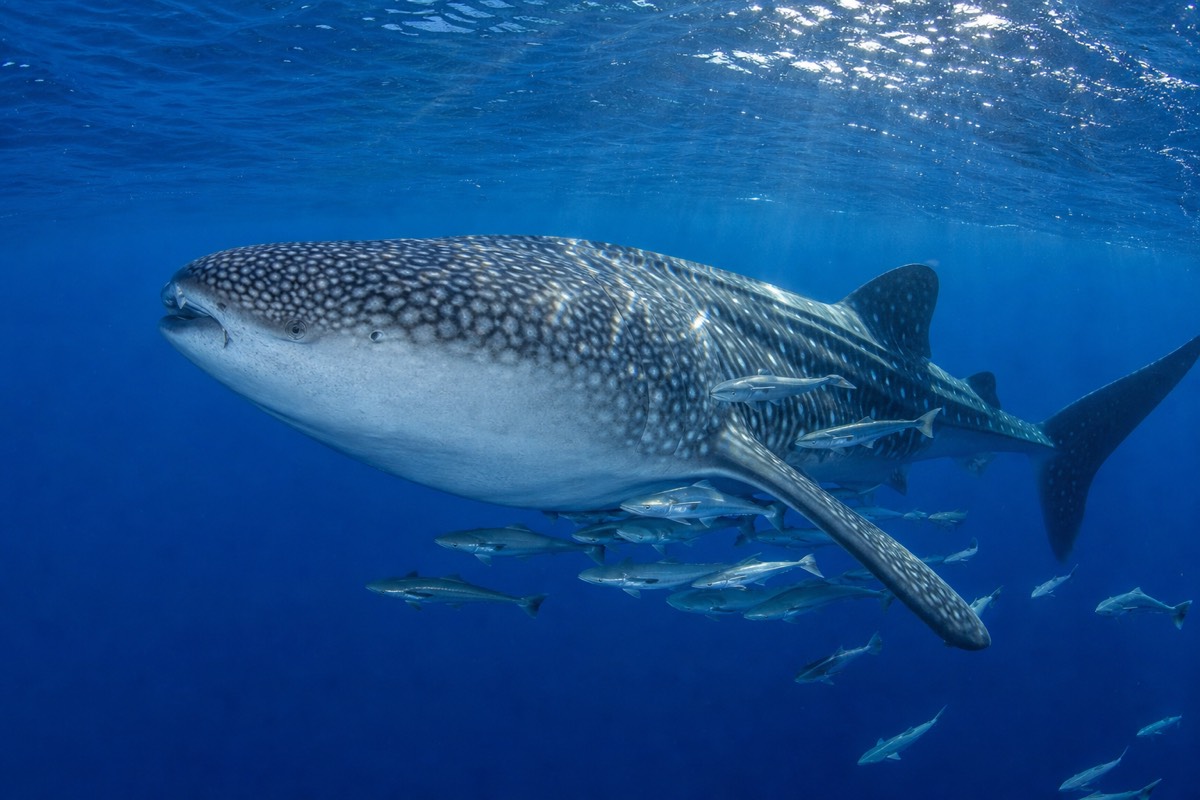
Are there whale sharks in Roatán?
Not reliably, and not as anything you can book. Whale sharks in the Bay Islands are strongly associated with Utila, a separate island in the same chain, not with Roatán. Sightings around Roatán happen, but they are opportunistic and never scheduled, and no operator on this site sells a whale shark trip.
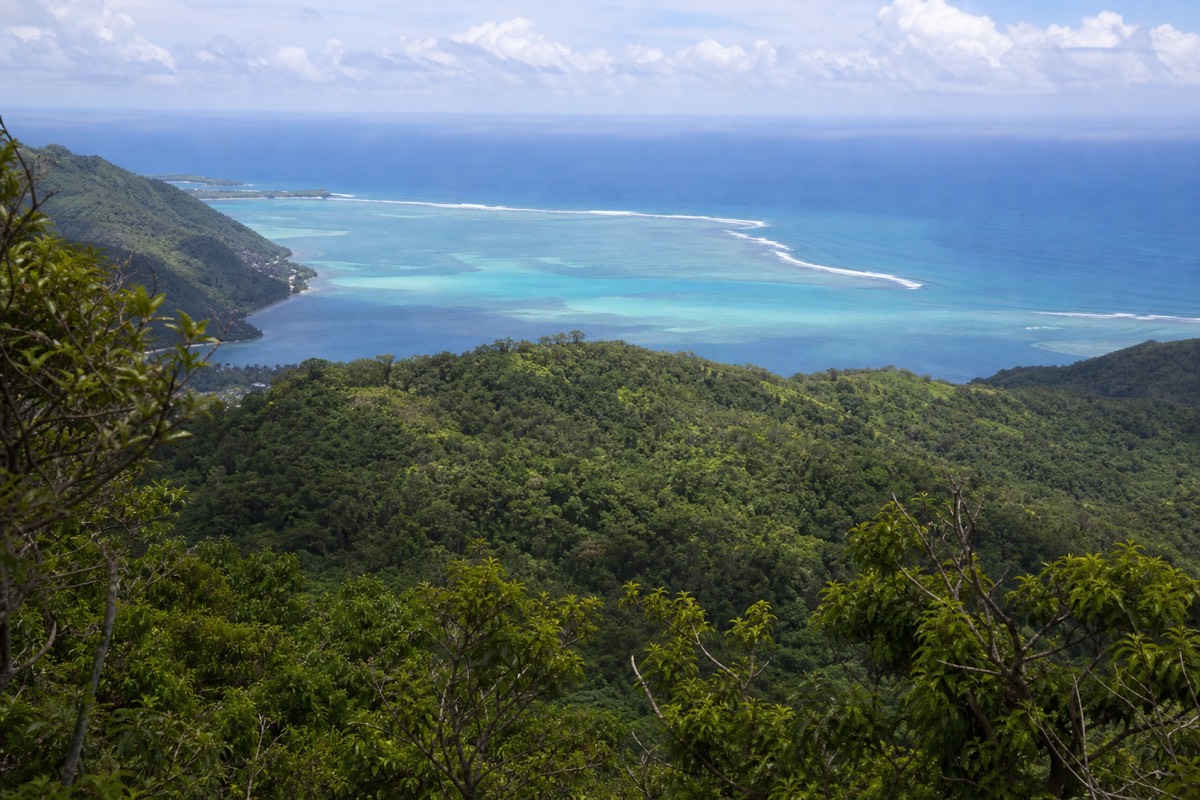
We are putting that first because most pages on this topic bury it. If you have arrived here planning a Roatán holiday around whale sharks, the plan needs adjusting before you book flights, not after.
The distinction matters because the two islands get talked about together. Utila and Roatán are both Bay Islands, both sit off the northern Caribbean coast of Honduras, and search results merge them constantly. They are separate places with separate boats, separate operators and, for this animal, quite separate reputations. The whale shark reputation belongs to Utila.
When is whale shark season in the Bay Islands?
Whale sharks are reported off Utila year round, with peaks around March to April and again roughly October to December. Smaller groups pass through during the June to September migration. That pattern is about Utila's waters, and it does not transfer to a Roatán booking calendar.
PADI's guide to diving Honduras through the year is the source behind that seasonal shape, and it is the one we would send you to before any operator's marketing page. Note what it is describing: presence and probability across a season, not a schedule. Nobody publishes a whale shark timetable because there is not one.
| Month | Utila pattern | What it means around Roatán |
|---|---|---|
| January | Present year round, off the two main peaks | Opportunistic only |
| February | Building toward the spring peak | Opportunistic only |
| March | Peak window | Still opportunistic. Roatán has calm, clear water this month |
| April | Peak window | Opportunistic. Reef life is active island-wide |
| May | Tailing off after the spring peak | Opportunistic. A strong month on Roatán for other reasons |
| June | Smaller groups, migration period | Opportunistic |
| July | Smaller groups, migration period | Opportunistic. Heaviest cruise traffic on Roatán |
| August | Smaller groups, migration period | Opportunistic. Busy ashore |
| September | Smaller groups, migration period | Opportunistic. Rainier, quieter on Roatán |
| October | Second peak window opening | Opportunistic |
| November | Peak window | Opportunistic. Roatán's best value month overall |
| December | Peak window closing | Opportunistic. Cruise traffic climbs from mid-month |
Read the middle column as odds and the right column as a reminder that the odds are not the reason to pick your dates. If you are choosing when to come for weather, water and crowds, our month-by-month look at the best time of year to visit Roatán is the page that actually answers that.
Why Utila and not Roatán?
The honest answer is that we can report the association without explaining it. Utila is where the sightings are consistently recorded and where the whale shark operators and research presence sit. We are not going to invent an oceanographic mechanism to make that sound more satisfying than it is.
What we can say is what does not follow from it. Roatán having fewer recorded sightings does not mean whale sharks avoid Roatán, and it does not mean a Roatán boat will never find one. It means that if seeing one is the point of your trip, you should be looking at the island where the encounters are actually documented.
It also does not mean Roatán's water is a consolation prize. The reef here drops into a wall within swimming distance of West Bay, and the corpus of tours on this site describes turtles, spotted eagle rays, groupers and parrotfish as routine sightings rather than lucky ones. That is a different kind of good, and it is a kind you can actually book.
Can you get to Utila from Roatán for a whale shark trip?
People do it, and we are not going to give you a schedule we have not verified. Transport between the Bay Islands changes with the operator, the season and the weather, so treat this as a separate trip to research directly rather than a day out you can slot into a Roatán itinerary.
What we would say about the planning shape: a whale shark trip is not a two-hour errand. It is a boat searching open water, which means an early start, a long day and a real chance of returning without a sighting. Building that onto the end of a Roatán stay compresses both. If whale sharks are the priority, base yourself where they are and treat Roatán's reef as the second half of the holiday, not the first.
Cruise passengers should let this one go entirely. A port day is already a tight container, as our numbers on whether the diving justifies the cost show for a two-hour dive, and an inter-island search trip does not fit inside an all-aboard clock.
What a Roatán visitor can realistically do
Get in the water often, in the right places, and treat any big-animal encounter as luck rather than as a plan. The reef trips on this site put you on the wall and along the barrier reef, which is where you would be anyway if a whale shark happened past. That is the only honest version of improving your odds.
In practice that means booking water time rather than booking a species. The three-stop reef snorkelling trip works through the shallow Marine Park, the barrier reef and the drop-off wall, 30 to 45 minutes at each stop, with gear and park fees included. Certified divers get the same terrain from inside it on the small-group reef and wall dive, and our full Roatán dive sites and certification costs guide covers what you need to bring to board it.
For where the surface sites actually are, including Blue Channel, Starfish Alley and the drop-off wall, the best snorkelling spots on Roatán maps the options. And if you want a day that keeps its shape whatever the water does, the fully custom private island day is built to be reshaped on the morning, which is the right tool for a trip that cannot depend on one animal turning up.
What no operator can honestly promise you
No boat can guarantee a whale shark, anywhere, and any listing that implies otherwise is selling you a probability dressed as a product. We have no whale shark tour to sell you, which makes this easy for us to say and worth checking when someone else says the opposite.
The other thing worth knowing before you get near one is how you are expected to behave. Whale sharks are wild animals and encounters with them are governed by codes of conduct about distance, approach and touching. The same principle governs the reef here: touching coral or marine life is forbidden on the tours we list, and the reef sits inside a protected area maintained by the Roatán Marine Park. If a boat's briefing does not cover distance and no-touch rules, that tells you what kind of boat it is.
Our honest read: come to Roatán for the wall, the reef and the water it sits in, all of which are dependable, and go to Utila if whale sharks are the trip. Anyone selling you both in one afternoon is selling you the afternoon. Everything in the guided Roatán tours we list is a reef day, a land day or a mix of the two, and none of it is a whale shark day, because we do not have one to offer.