Best Time to Visit Roatán: Weather, Seasons & What to Expect (2026)
Roatán has two calendars running at once, a weather one and a cruise-ship one, and the month that suits you depends mostly on which of the two you would rather fight.
Booking Choice: Fit a date-specific outing around weather flexibility and ship timing. Explore Shipwreck, Starfish And Blue Channel ↗
Price tables and illustrated budgets below are historical planning examples from the earlier guide. The current booking options may be different products; check their dates, inclusions and final prices before comparing costs.
Climate correction: October through December are principal rainfall months, while April and May tend to be drier. Monthly labels do not guarantee sea conditions, cruise crowds or discounts. Source: Roatan Tourism Bureau climate information, checked September 9, 2026.
Roatán through the year: weather, sea, crowds and price
Bands are built from the site's own published season notes and the homepage month ranking, which do not fully agree with each other. Treat them as ranges rather than forecasts, and confirm live conditions before booking.
What is the best time to visit Roatan if you only read one section?
Choose your month around the activities you want and compare the actual dates. November is not a reliably dry bargain month: allow flexibility for rain and verify prices and cruise calls before booking.
That is the short answer and it is genuinely useful, but it hides the thing that makes Roatan different from most Caribbean destinations. There are two calendars running here at once. One is weather: dry season, rainy season, sea state, visibility. The other is cruise ships, and it does not line up with the first. The best weather months are also the months when four, five or six large vessels can be alongside at Mahogany Bay and Coxen Hole on the same morning.
A diver needs suitable sea conditions; a beach visitor also cares about cruise calls. Check both for your dates rather than assuming that a month alone guarantees calm water or an empty beach.
Tours run year round here regardless, and the guided Roatan tours we list operate across all twelve months. The season question is about what you will get, not about whether anything is open.
Why our own sources disagree about the best time to visit Roatan
Three separate places in our published material rank the Roatan year differently, and rather than quietly pick the one we like, we are going to show you all three. The disagreement is mostly about September and October, which one source calls calm and clear and another calls the wettest and least reliable stretch of the year.
Here is what each source actually says.
- The homepage month ranking names November as the single best month and May as a strong second, calls December good weather with cruise traffic jumping sharply from mid-month, calls January to April excellent dry sunny weather with the highest cruise volume and crowds, and calls June to October the rainy season with more showers, occasional rough seas, the lowest crowds and prices, and less reliability for boat tours.
- The season tables on our tour pages use three bands instead: January to March as the clearest and calmest water with the highest demand, April to June as the most active wildlife with intense midday heat and humidity, and July to October as the greenest and wettest, with boat and snorkel stops weather-dependent and flexible rescheduling mattering more.
- The average tour prices section takes a third position and names March to June and again September to October as the calmest seas and clearest visibility.
Seasonal advice varies between sources. Use the island climate reference, the cruise schedule and the operator’s current forecast together before choosing a day.
Our honest read is that both descriptions of September and October are true at different moments. Between weather systems, early autumn can produce glassy water and long visibility with almost nobody on the reef. When a system is passing through, boat stops get cancelled and you spend the afternoon indoors. The average is good, the variance is high. If you book September or October, book flexibly and give yourself more than one day on the water.
Roatan month by month: weather, sea, visibility, crowds and price
The table below is the whole year in one view, built from our own published season notes rather than a weather service. Read it across, not down: almost every month is a trade of one axis against another, and no month wins on all five.
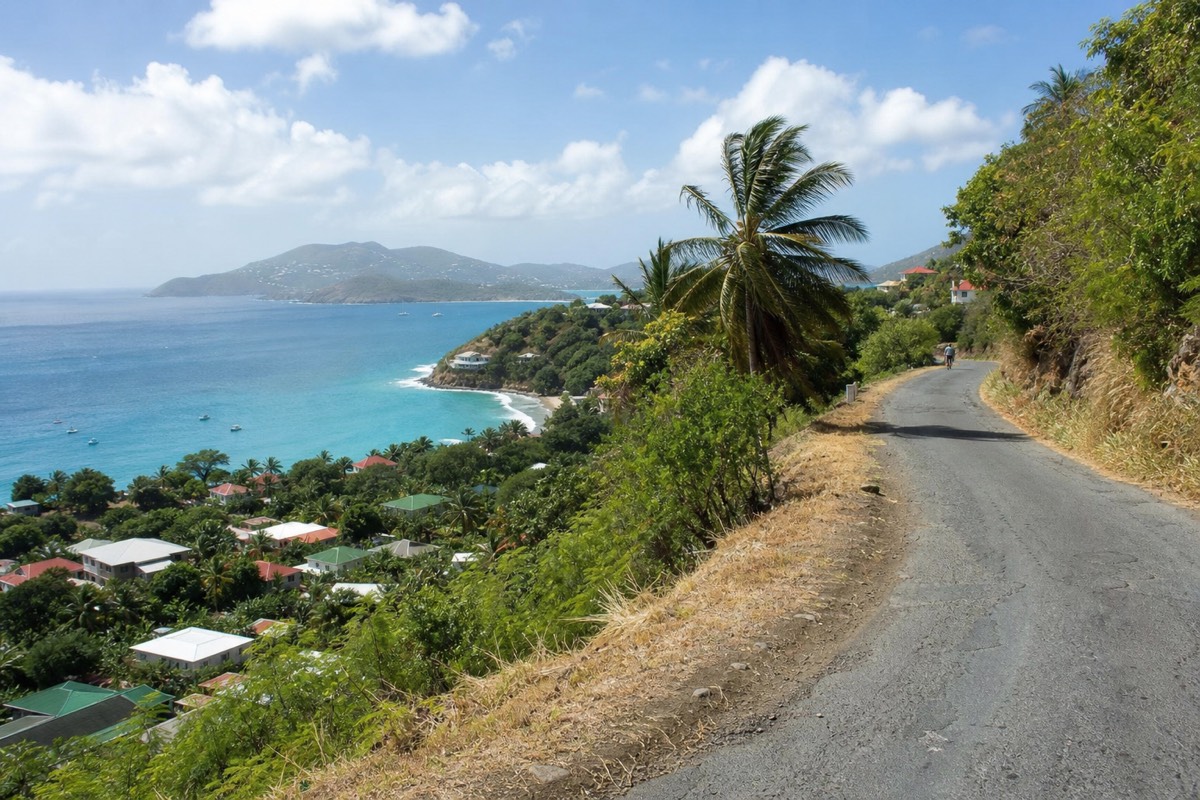
Temperatures across the whole year run roughly 21 to 29 degrees, moderated by the trade winds, and day excursions happen in 28 to 33 degrees with high humidity. That baseline barely moves. What moves is rainfall, sea state and how many people are standing on the same stretch of sand as you.
| Month | Weather | Sea and visibility | Cruise crowds | Price | Our read |
|---|---|---|---|---|---|
| January | Dry, sunny, the settled part of the year | Among the calmest and clearest | Peak, heaviest of the year | Peak rates | Great water, busy beaches; go early in the day |
| February | Dry and sunny | Calm and clear | Peak | Peak rates | Same trade as January |
| March | Dry, warming | Calm and clear on both our sources | Peak, plus spring break | Peak rates | The best-conditions month of the busy season |
| April | Dry, hot by midday | Calm; wildlife becoming more active | Still peak | Peak rates | Book activities two weeks ahead |
| May | Dry season ending, warm sea | Calm; light rain jacket worth packing | Low, after spring break | Value | The quiet alternative to November |
| June | Rainy season starting, hot and humid | Generally calm; showers build | Low | Low | Wildlife active, midday heat intense |
| July | Hot, humid, showers | Afternoon swells possible | Busy again with summer holidays | Low to mid | Crowds return without the dry weather |
| August | Hot, humid, showers | Afternoon swells possible | Busy | Low to mid | The least favourable trade of the year |
| September | Wettest stretch; storm season peak | Sources disagree: glassy between systems, unreliable during them | Quietest | Lowest | High variance; book flexibly |
| October | Wet, greenest landscape | Same split verdict as September | Quietest | Lowest | Bargain if you can absorb a lost day |
| November | Confirm for your dates; allow for rain | Confirm for your dates; allow for rain | Confirm for your dates; allow for rain | Confirm for your dates; allow for rain | Confirm for your dates; allow for rain |
| December | Good, dry season returning | Settling into the calm winter pattern | Jumps sharply from mid-month | Peak rates from mid-month | First two weeks are quietly excellent |
What does the dry season actually feel like, January to April?
Dependable. Dry season on Roatan means sunny days, calm water, the clearest visibility of the year and the trade winds keeping the heat manageable. It also means the highest cruise volume of the year, with three to five ships on a busy day and four to six on the worst, putting several thousand passengers ashore at once.
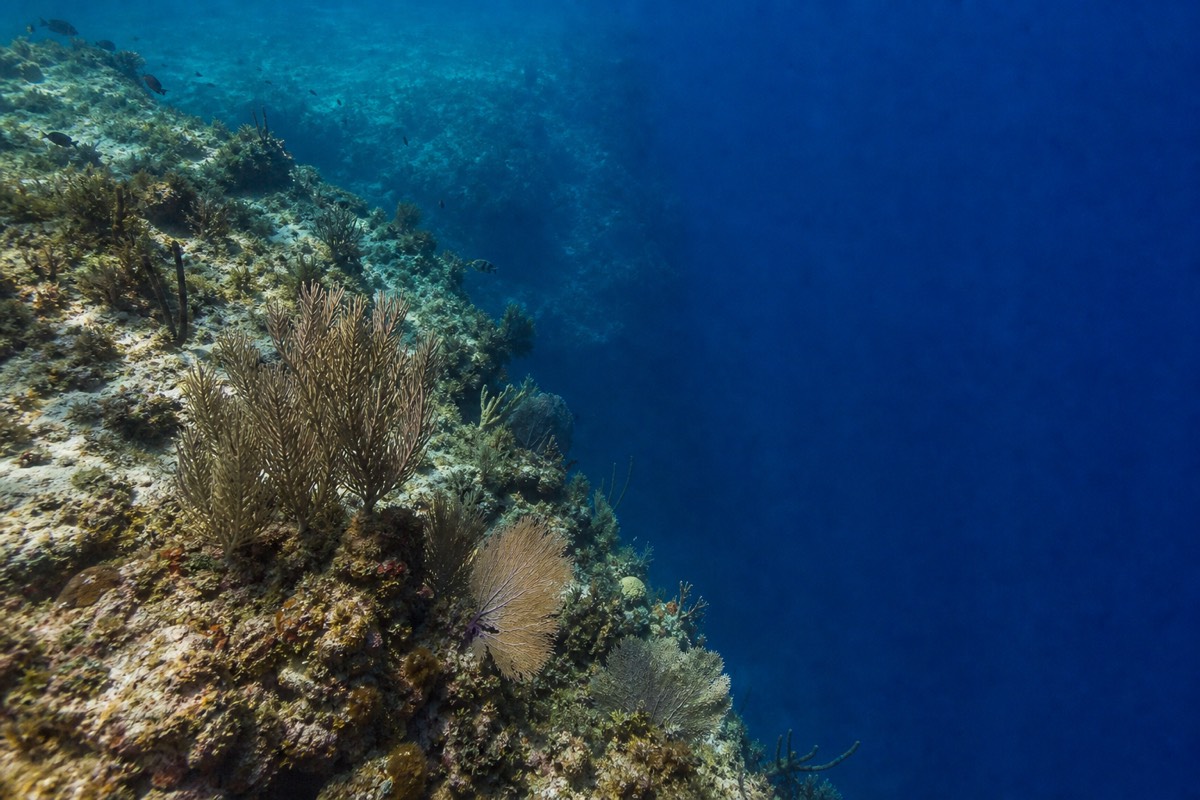
If your priority is that the thing you booked actually happens, this is the window. Boat stops rarely get cancelled, the drop-off wall is at its clearest, and the shallow coral gardens off West Bay are as inviting as they look in photographs. The site's own tour pages describe January to March as the best probability of glassy, calm water, with demand high enough that booking about two weeks ahead is sensible rather than optional.
The cost is company. West Bay fills significantly between 10:00 and 15:00 on multi-ship days, is quiet before 09:30, and clears again after 15:30 once passengers start heading back for a 16:30 to 17:30 all-aboard. That pattern is the single most useful piece of timing information for a dry-season visit, and it applies to the sanctuaries too: the first hour after opening is a completely different experience from mid-afternoon, when several coach loads have cycled through. Our full West Bay Beach guide works through where to sit and how far to walk to get clear of it.
The dry season also has the most competition for capacity. Popular activities sell out on multi-ship days, and walk-up booking is the method most likely to leave you without a spot.
What does the rainy season actually feel like, June to October?
Weather varies within the year and from day to day. Keep boat and snorkel stops flexible, and use the captain’s assessment of sea conditions rather than treating a seasonal label as a departure guarantee.
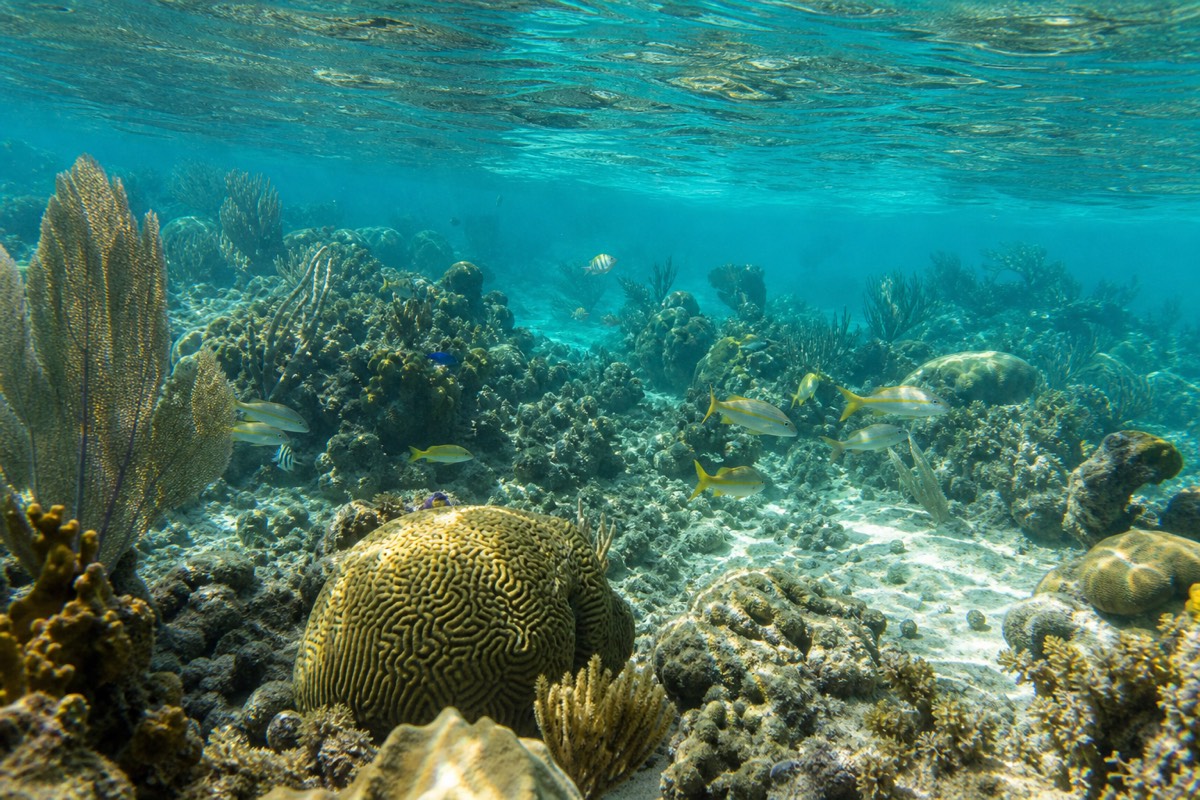
What changes practically is reliability, not enjoyment. The tour pages describe July to October as the greenest and most vibrant the island looks, with the honest caveat that snorkel stops are subject to weather and flexible rescheduling matters. That is the correct way to plan it: assume one of your water days may move, and build the trip so that moving it is not a disaster.
Heat is the other factor. April to June is described as the period with the most active wildlife and the most intense midday heat and humidity, which is a genuine argument for morning starts. A sanctuary visit at 07:00 to 09:00 catches the animals at their most active and you at your least wilted, and the sloth and monkey sanctuary excursion is built around exactly that window.
A light rain jacket or poncho is worth packing for anything between May and October. Not a coat, not a shell: something that folds into a day bag and handles twenty minutes of warm rain.
Why the cruise calendar matters more than the weather
This is the axis most Roatan season pages leave out entirely. Cruise volume is a separate calendar from the weather, it swings much harder, and on the ground it changes your day far more than a shower does. December to April and July to August are the heaviest periods, and mid-week and weekends are busier within them.
Three to five large ships on a busy day, four to six on the worst, is thousands of people arriving into an island whose main beach is a few hundred metres of prime sand. That is what turns a perfect-weather Tuesday in February into a slower, more crowded day than a showery Wednesday in October. Checking the Roatan port schedule on CruiseMapper before you fix a date is the highest-value ten minutes in planning a trip here, whether you are arriving by ship or staying on the island.
If you are the cruise passenger, the same information tells you how early you need to move. Our guide to which cruise terminal your ship uses covers the gate-level detail, and the rule of thumb is that on a four-plus ship day, being at the reef or the sanctuary before 09:30 is worth more than any other decision you make.
| Period | Ship volume | What West Bay feels like | Booking implication |
|---|---|---|---|
| December mid-month to April | Heaviest of the year, three to five ships, up to six on the worst days | Full from 10:00 to 15:00, quiet before 09:30 | Book two weeks ahead; popular activities sell out |
| May | Low, after spring break | Relaxed all day, easy to find a chair | Book a few days ahead, walk-up often works |
| June | Low | Quiet, hot | Flexible; prioritise a morning start over an early booking |
| July to August | Busy again on summer holidays | Crowded midday without dry-season certainty | Book ahead and go early; this is the least forgiving combination |
| September to October | Quietest of the year | Close to empty on many days | Book flexibly; weather, not capacity, is the constraint |
| November | Confirm for your dates; allow for rain | Confirm for your dates; allow for rain | Confirm for your dates; allow for rain |
| December to mid-month | Still low, rising fast after | Quietly excellent in the first two weeks | Book early December if the dates are flexible |
When is the best time to dive Roatan?
January to March for the calmest, clearest water, with March to June as the other strong window our sources agree on. Visibility on the drop-off wall can reach around 30 metres on a calm day. The water is warm enough to dive all year, so the season question here is about surface conditions and clarity rather than temperature.
Roatan's diving works because the reef geometry is dramatic and close in. The island sits on the Mesoamerican Barrier Reef, the second-largest reef system in the world, and the wall drops away to 30 metres and beyond within swimming distance of West Bay. Vertical coral walls, deep crevices and swim-throughs are minutes from the dock rather than an hour offshore, which is why an operator can run a small-group dive trip in two to three hours.
Season affects three things for divers: surface swell on the boat ride, particulate in the water after heavy rain, and how many other boats are on the site. Winter and early spring optimise all three. Summer afternoons can bring swells, and the sheltered north shore is protected for most of the year, which is the standard fallback when the south side is lively. Certification matters more than season on the site's own dive tour, which is certified divers only with a C-card required to board; our guide to Roatan's dive sites and certification costs covers the options if you are not certified yet.
One seasonal question that comes up constantly deserves a straight answer: whale sharks. In the Bay Islands they are strongly associated with Utila, a separate island, where PADI's guide to diving Honduras reports sightings year round with peaks around March to April and again roughly October to December. Around Roatan, sightings are opportunistic rather than scheduled, and this site has no whale shark tour. We set out the full picture in our piece on when whale sharks pass through the Bay Islands.
When is the best time to visit Roatan for snorkeling?
The same calm-water windows as diving, January to March and March to June, with one important difference: snorkellers are far more exposed to crowds than divers are, because you are sharing the shallow reef with everyone else on the beach. The best snorkelling day is a calm-water day that is also a low-ship day.
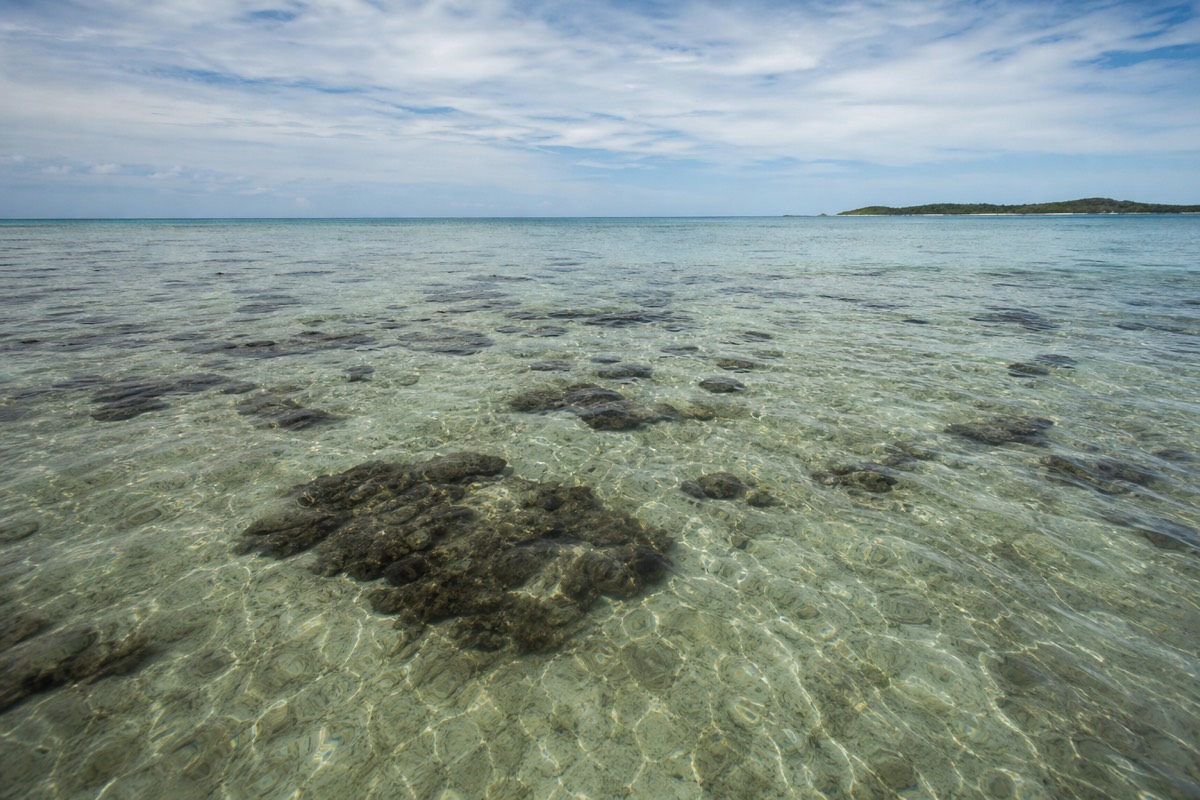
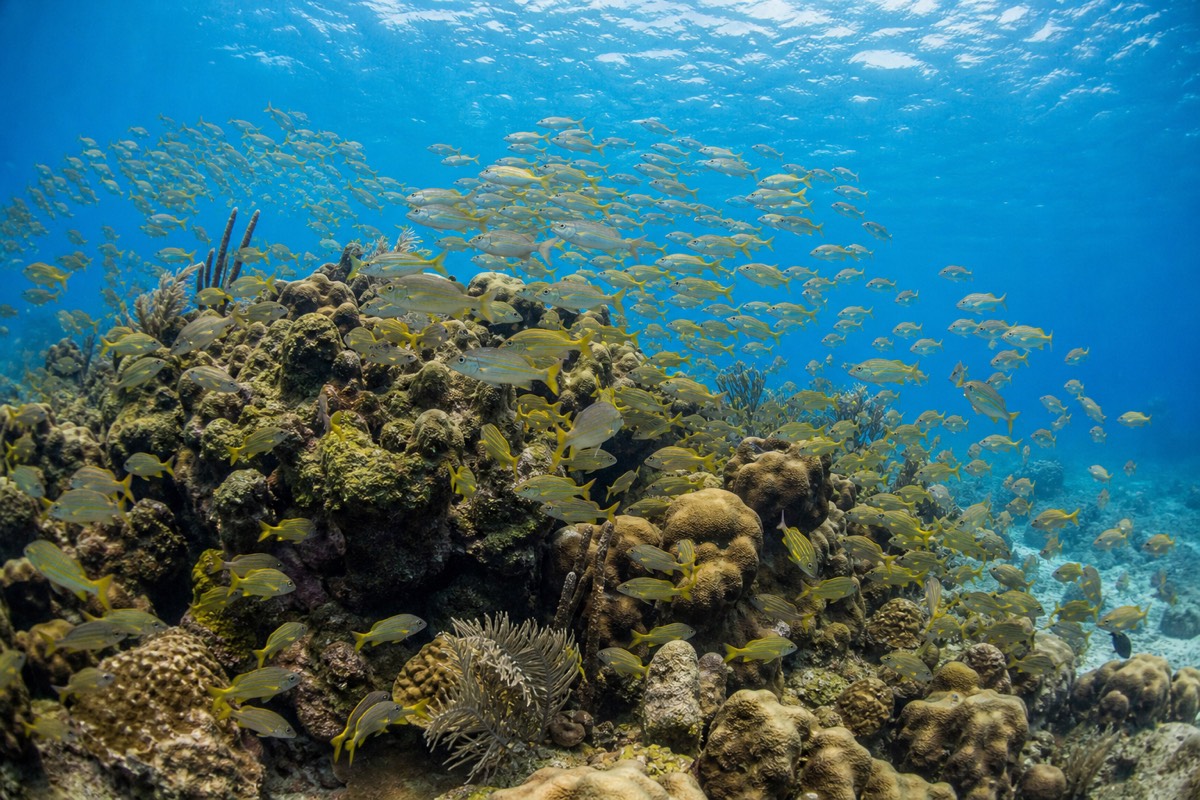
Roatan is unusual in that the reef starts in shallow water close to shore, so snorkelling is reachable within minutes of most beaches and directly from the sand at West Bay. Turtles, groupers and eagle rays are described in our own copy as routine sightings rather than luck. That accessibility is the whole appeal and also the reason timing matters: a shallow coral garden with fifteen people over it is a different experience from the same garden with three.
Boat snorkelling escapes that problem, which is the practical case for going out rather than wading in. The three-stop reef snorkelling trip works through the shallow Marine Park, the barrier reef and then the drop-off wall at 30 to 45 minutes each, roughly 35 minutes from either port, and the operator asks passengers to leave the ship 30 minutes after doors open specifically to reach the reef ahead of the larger ship-sold excursions. That is a timing strategy built for exactly the crowd problem described above.
For where to go in each season and what each site gives you, we have mapped the best snorkelling spots on Roatan separately.
Best month for each activity on Roatan
Different activities have genuinely different best windows, and lining them up in one place makes the trade obvious. Water activities want the calm winter and spring months. Land activities are more tolerant of rain than boat trips are, which is what makes them the right fallback in the wet season.
| Activity | Best window | Why | Worst window |
|---|---|---|---|
| Boat snorkelling on the reef | January to March, and March to June | Calmest seas, clearest visibility, comfortable transfers | July to August afternoons, when swells build |
| Shore snorkelling at West Bay | November, May, and any low-ship morning | Empty shallows and settled water | Midday, January to April, on a four-ship day |
| Scuba diving | January to March | Best clarity on the wall, calm surface | September to October, high variance |
| Night snorkelling | Year round, best on settled nights | Depends on sea state more than season; runs from hotels rather than the port | Any period with sustained swell |
| Sanctuaries and wildlife | April to June for activity, any month at 07:00 to 09:00 | Animals most active in the morning and in the warmer months | Mid-afternoon on peak cruise days |
| Zip lines and ATV | December to April | Dry trails; ATV routes get muddy after rain | September to October, mud and cancellations |
| Mangrove tunnels and the east end | Year round, better in dry months for the boat leg | Sheltered water, though repellent matters more in the wet season | Heaviest rain days |
| Fishing | Calm-sea months, January to June | Offshore comfort tracks sea state exactly | Peak storm season |
| Horseback riding | Dry season, December to April | Firm ground, less heat stress on the animals and you | Wettest weeks of September and October |
| Evening on the water | Check actual dates, forecasts and current quotes | Clear skies, calm water | Storm season evenings |
| Cooking classes and indoor culture | Any month, and the obvious rainy-day answer | Weather independent | None |
Three of those rows point at pages of their own. If a mangrove day is on your list, we cover the mangrove tunnel tours on the east end, including the Oak Ridge over-water community and the Garifuna village at Punta Gorda. For the water-based alternatives we do not sell ourselves, we have written honestly about what Roatan fishing charters involve and where sunset cruises actually go, neither of which is a product on this site. The same applies to horseback riding on Roatan. And if wildlife is the anchor of your trip, the seasonal detail sits in our guide to Roatan's sloth and monkey sanctuaries.
How does Atlantic hurricane season affect a Roatan trip?
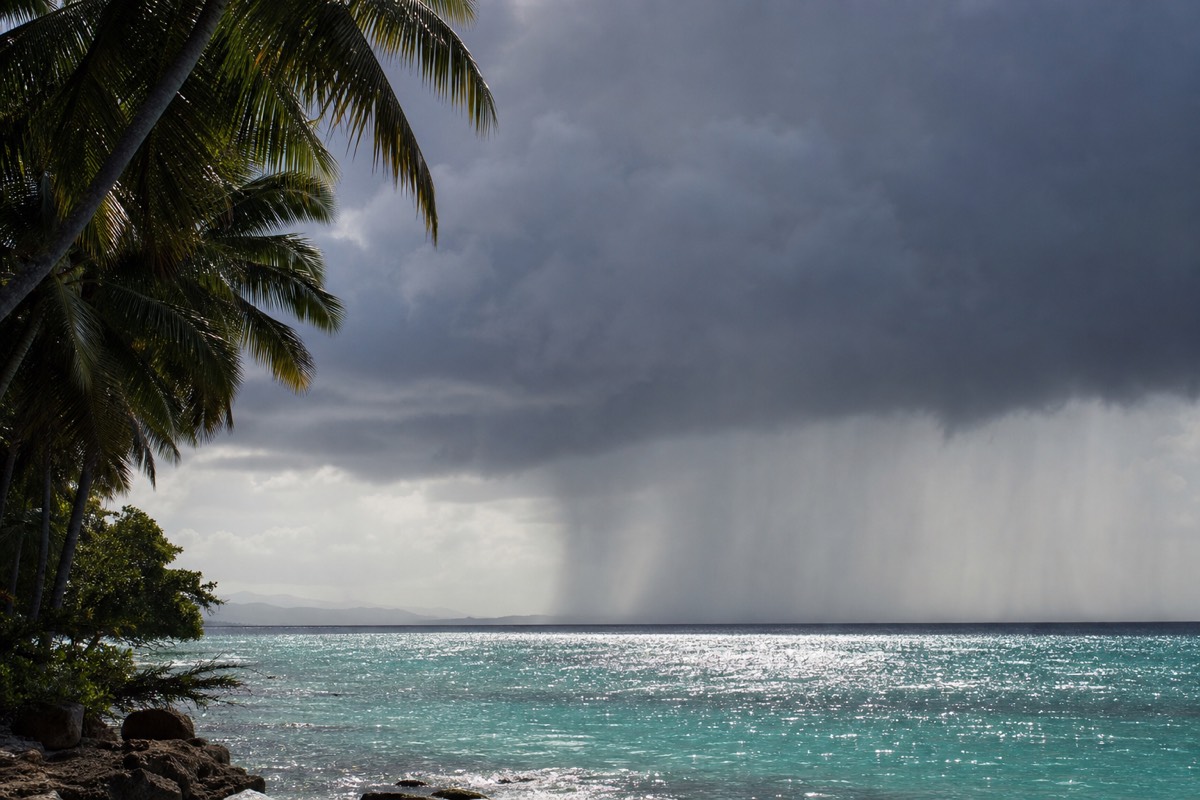
The Atlantic hurricane season runs from the start of June to the end of November, with the climatological peak in September, according to NOAA's National Hurricane Center. For Roatan the practical effect is rarely a direct hit and usually a few unsettled days: cancelled boat stops, moved snorkel trips and cruise itineraries that swap ports at short notice.
The full climatology is published by NOAA's National Hurricane Center and is worth ten minutes if you are booking anywhere in the window. The distribution matters more than the season boundaries: early June and late November sit at the quiet ends, while late August through September carries most of the activity.
The end of Atlantic hurricane season does not mark the end of Roatán’s rain. Keep an indoor activity and flexible boat arrangements available in November.
| Month | Storm-season status | Practical effect on Roatan | What to do about it |
|---|---|---|---|
| June | Season opens, activity low | Showers rather than systems | Book normally; pack a light rain jacket |
| July | Building | Occasional unsettled days, afternoon swells | Put water activities early in the trip |
| August | Ramping toward peak | More weather-dependent boat stops | Choose operators with flexible rescheduling |
| September | Climatological peak | Highest chance of a lost water day | Book flexibly, allow more than one reef day |
| October | Still active, easing late | Wet, quiet, occasionally glassy between systems | Travel insurance and a flexible booking are the whole strategy |
| November | Confirm for your dates; allow for rain | Confirm for your dates; allow for rain | Confirm for your dates; allow for rain |
| December to May | Outside the season | Not a factor | Plan around crowds and price instead |
Where are the real value windows on Roatan?
Compare live accommodation and tour quotes for your dates. There is no verified fixed seasonal discount, and a cheaper room does not establish that boat conditions will suit your plans.
What actually changes price on Roatan is worth being precise about, because not everything moves. Activity and combo tours run in the $45 to $99 band and a fully custom private day starts at $68 regardless of season; those are operator rates, not seasonal ones. What moves with the calendar is accommodation, availability, and how far ahead you have to commit. The other price lever has nothing to do with season at all: booking through the ship's shore excursion desk typically costs 30 to 60% above direct online rates for a comparable experience, in any month.
| What you are buying | Peak, mid-December to April | Shoulder, May and November | Low, June to October |
|---|---|---|---|
| Accommodation and tour packages | Full rates | Check actual dates, forecasts and current quotes | Lowest of the year |
| Activity and combo tours | $45 to $99 band | Same band, easier availability | Same band, widest availability |
| Fully custom private day | From $68, sells out on high-ship days | From $68, easy to secure | From $68, most flexible |
| Sanctuary entry paid at the gate | $40 to $60 per person | $40 to $60 per person | $40 to $60 per person |
| Beach snorkel gear rental | $10 to $15 | $10 to $15 | $10 to $15 |
| Scooter, ATV or golf cart | $30 to $60 a day | $30 to $60 a day | $30 to $60 a day |
| Rental car | $50 to $100 a day, book early | $50 to $100 a day | $50 to $100 a day |
| Ship excursion desk premium | 30 to 60% above direct rates | 30 to 60% above direct rates | 30 to 60% above direct rates |
| How far ahead to book | About two weeks for popular activities | A few days | Often same week |
The private day is the clearest example of the seasonal capacity effect rather than a seasonal price effect. The fully custom private island day costs the same in February as in September, but in February it sells out on high-volume ship days and in September it does not.
What should you pack for the season you are visiting?
The core kit does not change: swimsuit worn under your clothes, rash guard, wide-brim hat, polarised sunglasses, high-SPF waterproof sunscreen, a one-litre bottle, a dry bag and small US dollar bills. What changes by season is rain gear, repellent volume and how hard you have to plan around midday heat.
Two items catch people out year round. Towels are usually not provided on tours that use beach clubs, so bring your own microfibre towel. And insect repellent belongs in the day bag rather than the suitcase, because sandflies and mosquitoes are at their worst at dawn and dusk, exactly when you are on a beach.
| Season | Always | Add for this season | Can skip |
|---|---|---|---|
| December to April, dry and busy | Sunscreen, rash guard, hat, sunglasses, water bottle, dry bag, water shoes, small USD bills, own towel | A light layer for breezy boat rides; a booking confirmation printed or saved offline | Heavy rain gear |
| May, dry ending | As above | Light rain jacket or poncho | Nothing much; this is the easy month |
| June to August, hot and humid | As above | Extra repellent, motion-sickness tablets, a second quick-dry shirt, electrolyte sachets | Anything heavy or slow-drying |
| September to October, wettest | As above | Proper rain jacket, dry bag for everything electronic, flexible booking confirmations | A rigid itinerary |
| Check actual dates, forecasts and current quotes | As above | Light rain jacket for the first half of the month | Crowd-avoidance planning; there are few crowds |
If you can only travel in one particular month, what do you do?
Most people do not get to pick their month, and every month on Roatan is workable with the right adjustment. The move is almost always about timing within the day rather than changing the trip: go early, book ahead in the busy months, and stay flexible in the wet ones.
| If you can only go in... | The problem | The move |
|---|---|---|
| January or February | Best water of the year, worst crowds | Be at the reef or the sanctuary before 09:30 and book about two weeks ahead |
| March | Peak conditions and spring break together | Avoid mid-week multi-ship days; check the port schedule before fixing dates |
| April | Hot midday, still peak crowds | Front-load the day; put water activities before noon |
| May | Very few, honestly | Book a few days out and pack a light rain jacket |
| June | Intense midday heat, showers starting | Morning wildlife, afternoon shade or an indoor culture stop |
| July or August | Summer crowds without dry-season reliability | Book ahead, start early, choose operators with flexible rescheduling |
| September | Storm-season peak, highest chance of a lost day | Allow two reef days rather than one; take the travel insurance seriously |
| October | Wet, but the island is empty and cheap | Book flexibly and treat any glassy day as the day to go out |
| November | Confirm for your dates; allow for rain | Confirm for your dates; allow for rain |
| December | Excellent early, crowded from mid-month | Aim for the first two weeks if the dates flex at all |
Who should think twice about a particular season?
Three groups should adjust rather than book blind: divers chasing maximum visibility should avoid September and October unless they have several days of flexibility, anyone sensitive to heat should not plan midday activity between April and August, and anyone who came for an empty beach should not book a mid-week day in January through April.
The families tied to school holidays are the hardest case, because July and August combine the summer crowd return with the humid end of the weather. That is a solvable problem rather than a reason to stay home: book earlier than you would otherwise, start the day at first light, and accept that a boat stop may move. The activities that shrug off rain, sanctuaries, chocolate and rum stops, cooking classes, are the ones to have on the reserve list.
Cruise passengers have the least control of all, since the itinerary picks the date. For them the season question mostly collapses into the port-day question, and the answer is the same in every month: know your terminal, leave early, and give yourself the buffer. Our honest read after all of it is that Roatan does not have a bad season, only seasons that reward different plans.