Roatan Fishing Charters: What to Expect
Roatan sits on a reef wall that falls into deep water minutes from the dock, which shapes every fishing day here, and this is what to expect and what to confirm before you pay.
Booking Choice: Choose a fishing day with a published tackle list and meeting point. Explore Private Roatan Fishing Charter ↗
Price tables and illustrated budgets below are historical planning examples from the earlier guide. The current booking options may be different products; check their dates, inclusions and final prices before comparing costs.
Where each kind of fishing happens, from the sand to blue water
Depths and distances are the ranges given in this site's own destination and tour copy for the reef off West Bay, not charter-operator data. This site lists no fishing charter, so confirm any operator's own figures with them directly.
What does a Roatan fishing charter actually get you?
A Roatan fishing charter buys three things: a boat, a captain who knows which water is producing that week, and access to depth you cannot reach from a beach. It does not buy a guaranteed catch, and any operator who promises one is selling you something other than fishing.

That sounds obvious until you are standing on a dock at seven in the morning having already paid. The gap between a good charter day and a flat one is almost never the fish. It is whether the boat was the size you pictured, whether the mate rigged and watched the lines properly, whether anyone warned you the swell was going to be like that, and whether the price you agreed covered the things you assumed it covered.
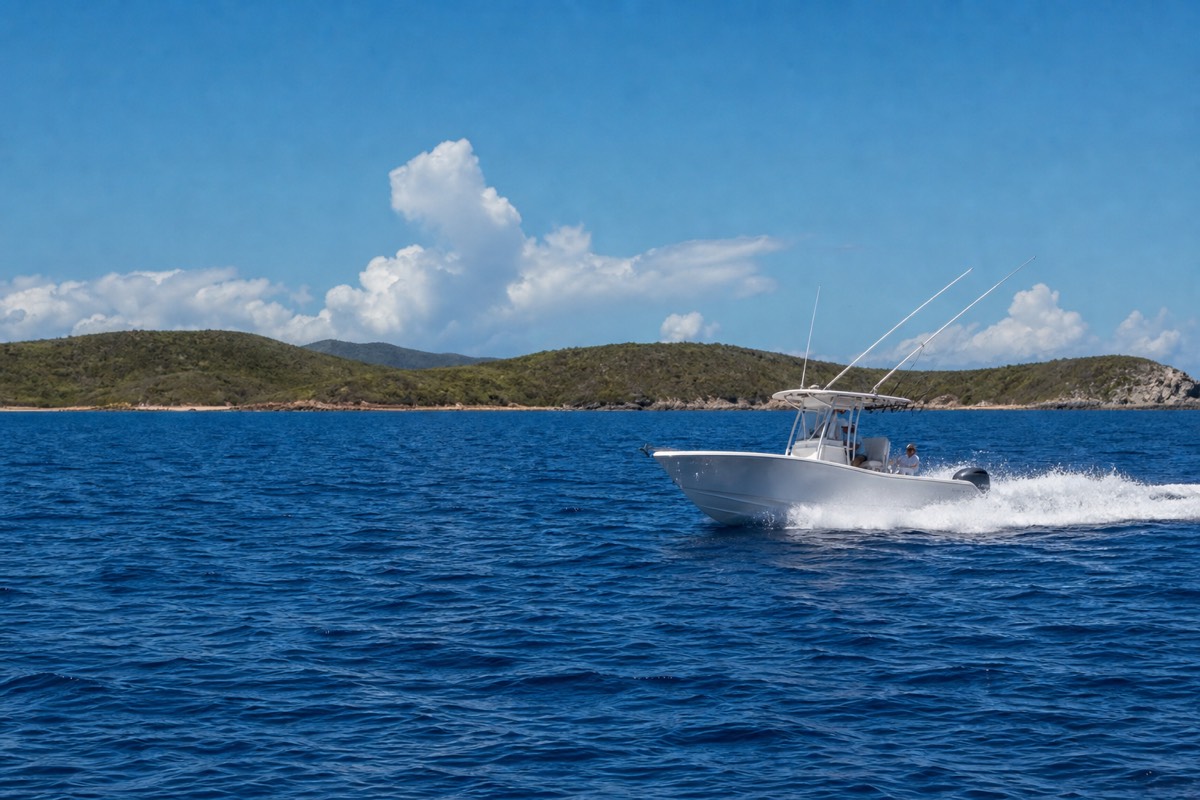
Two shapes of day dominate here. One is the offshore run: out through the reef cut, lines set, trolling in blue water for pelagic fish. The other is closer work along the reef edge and the shallows, which costs less fuel, takes less stomach and puts you within sight of land the whole time. Those are different days out, and a lot of disappointment on this island comes from people booking one while imagining the other.
The current fishing option in this guide is a 4.5-hour outing with three hours of fishing, bait, rods and refreshments. It starts at Harbour Club and lists nearby West End and West Bay hotel transfers. It is for ages 12 and over; confirm the final price, cooking charges and your pickup before booking. A catch is never guaranteed.
Why does Roatan's shape make a fishing charter here different?
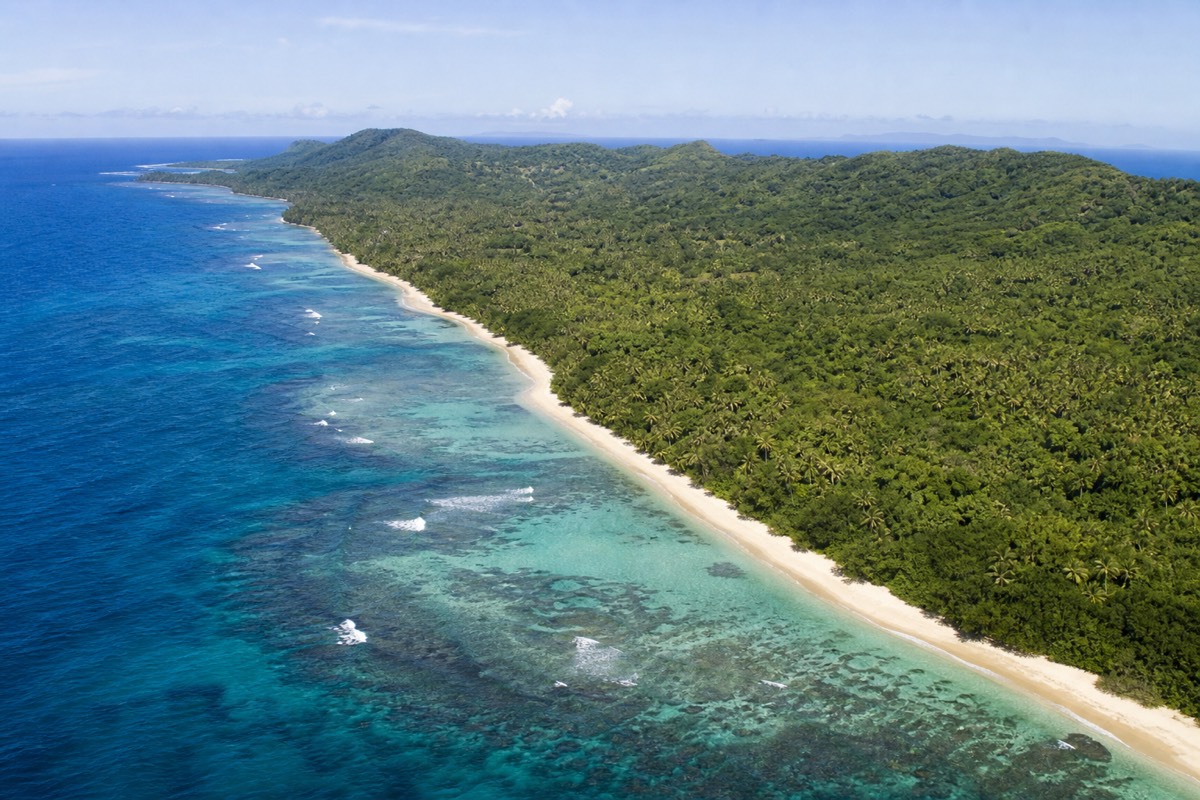
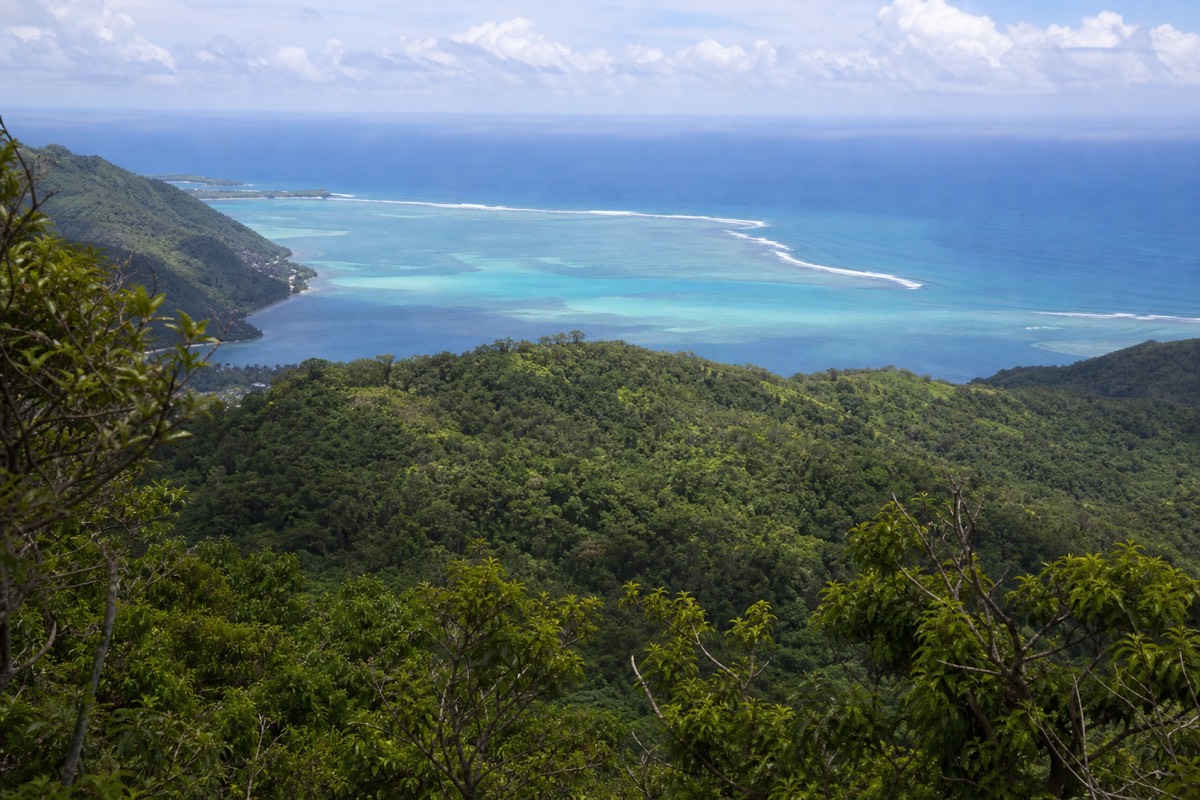
Roatan is a narrow island roughly 65 km off the northern Caribbean coast of Honduras, with the Mesoamerican Barrier Reef running along it. The reef begins in shallow water close to shore and falls away in walls that drop hundreds of metres, so genuinely deep water sits minutes from the dock rather than an hour offshore.
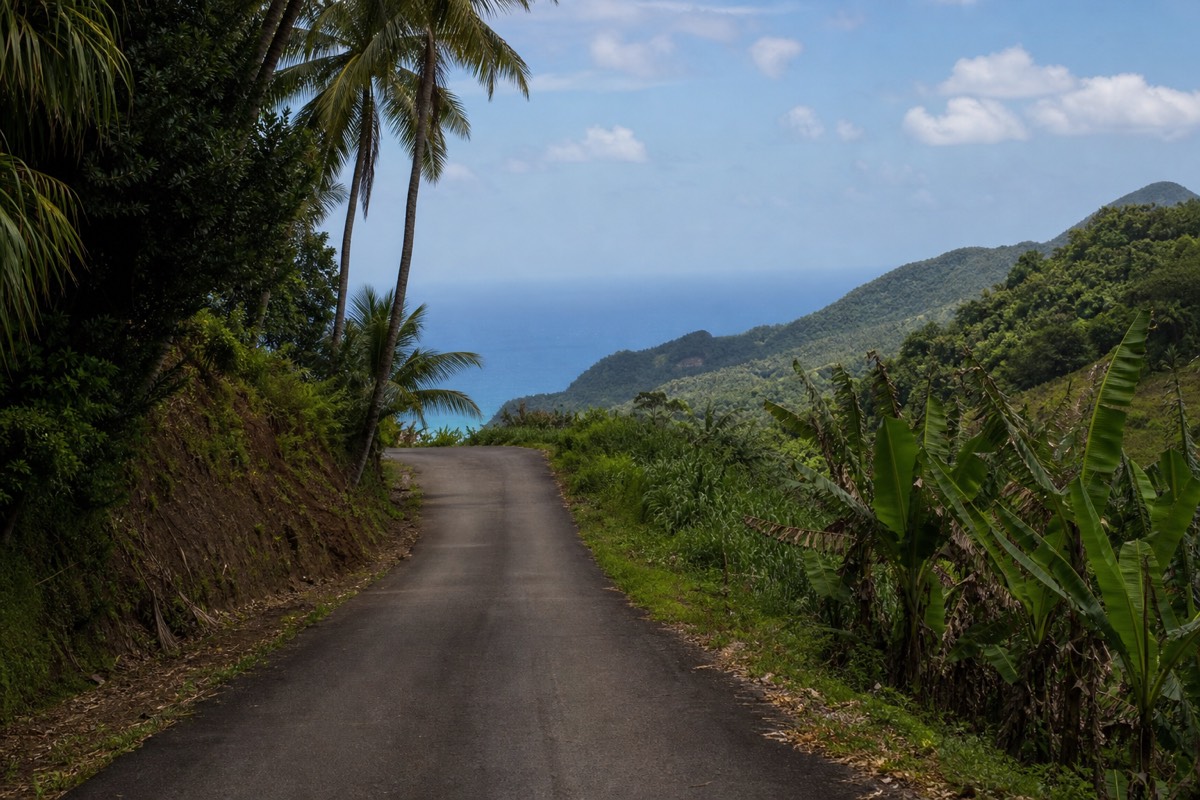
On plenty of charter destinations you burn the first hour of a paid half day crossing a flat shelf before anyone puts a line in. Here the shelf is thin. Off West Bay the bottom runs from shallow coral garden to a wall descending past 30 m within swimming distance of the sand, which is the same reason the snorkelling is unusually good on this island and the same reason the diving is. The reef is part of the second-largest reef system in the world, described in detail by NOAA's Mesoamerican Barrier Reef portal.
What that means for a fishing day is simple arithmetic. Less transit means more of your paid hours spent actually fishing, and it means a half day is a real option rather than a token one. It also means the boat can change plan quickly. If the offshore water is churned up, the captain can be back inside the reef in a short run rather than committing you to two hours of pounding.
The same geography concentrates the island's water activity into a small area. To see how that reef reads from the surface rather than from a boat deck, we have mapped the best snorkelling spots on Roatan, and the wall that holds fish is the wall people descend on tanks, covered in Roatan's dive sites and certification costs.
Reef, flats or offshore: which Roatan fishing charter suits you?
Reef fishing is the middle option: short run, moderate motion, steady action. Flats work is shallow, light-tackle, sight-based and calm. Offshore trolling is the long-rod, big-fish day with the most motion and the most fuel in the price. Pick by stomach and budget first, species second.
Operators use these words loosely, which is why the table below matters more than any brochure. Ask which of the three a quoted price actually covers, because the same operator may run all three at very different rates and the cheap number in an advert is usually the shortest, closest option.
| Type of day | Where it happens | Motion and comfort | Tackle style | Who it suits |
|---|---|---|---|---|
| Reef and drop-off | Along the reef edge and the top of the wall, in sight of land | Moderate, and the boat can duck into shelter fast | Medium rods, bottom work and slow trolling | First-timers, mixed groups, anyone unsure about seasickness |
| Flats and shallows | Shallow water inside the reef and around the channels | Calmest of the three, often skiff-flat water | Light tackle, casting, often standing | Anglers who want technique over trophies, and nervous stomachs |
| Offshore trolling | Blue water beyond the wall, reachable in a short run here | Most motion, no shelter, longest committed stretch | Heavy trolling gear, spread of lines, fighting chair or belt | People chasing pelagic fish who know they travel well |
One honest caveat about flats fishing. The island's own published copy talks about offshore work and names offshore species. It says nothing about what a flats programme here targets. If an operator offers you one, ask them directly what they fish for and how they fish it, rather than trusting a species list you read on a booking site that has never had a boat on this water.
What will you catch on a Roatan fishing charter, and when?
The species named in this island's own destination copy are mahi-mahi, wahoo, tuna and snapper. That is the honest list. Nobody can tell you in advance which of them will be on your line, and we will not print a run calendar we cannot stand behind.
What can be said with confidence is which conditions make the run out pleasant, because the island's seasonal pattern is well documented in the site's own material and in the operators' season tables. The table below pairs the four named species with the water they come from and the months when getting to that water is most likely to be comfortable. Treat the last column as the honest limit of what anyone can promise you.
| Species | Water it comes from | Months with the calmest run out | What nobody can promise |
|---|---|---|---|
| Mahi-mahi | Blue water beyond the reef wall | January to March for the flattest seas, plus September and October | Any given day. Pelagic fish move; captains follow temperature and bait, not calendars |
| Wahoo | Offshore, often worked along the drop-off edge | January to March, and the March to June window the corpus calls calm and clear | Numbers. Ask the captain what the last two weeks produced instead |
| Tuna | Offshore blue water | January to March, and September to October | Size classes. No published local data supports a claim either way |
| Snapper | Reef structure and the drop, closer to shore | Workable across more of the year because the run is short | That reef fishing is legal everywhere. Zone rules apply, see below |
If you want the fuller seasonal picture for planning a whole trip rather than one morning, our breakdown of the best time of year to visit Roatan sets out where the island's own sources agree and where they contradict each other.
What does a Roatan fishing charter usually include, and what costs extra?
The current fishing option in this guide is a 4.5-hour outing with three hours of fishing, bait, rods and refreshments. It starts at Harbour Club and lists nearby West End and West Bay hotel transfers. It is for ages 12 and over; confirm the final price, cooking charges and your pickup before booking. A catch is never guaranteed.
So the useful advice is not a number, it is a habit: get the inclusion list in writing before you pay a deposit, and read it as a list of exclusions. A quote that says "boat and captain" is telling you a mate may be extra. A quote silent on fuel may carry a surcharge on a day the captain has to run further.
Things that commonly appear as extras, all of which you should confirm directly rather than assume:
- Fuel, especially if the day extends or the boat has to search
- Lunch and drinks. On the island's day tours generally, water and soft drinks are included and alcohol runs around $3 to $6 a drink, so budget in that shape
- Cleaning and filleting your catch, and any cook fee at a restaurant afterwards
- Live bait, if the day calls for it
- Marine park or permit fees, which vary by where the boat works
- Crew tips. On this island's tours generally, $10 to $20 total for a day is the normal range travellers report
Cash matters here more than most places. Roatan runs largely on US dollars and plenty of small operators do not reliably take cards or add a fee when they do, so bring small bills rather than counting on a terminal at the dock.
What should you confirm before you pay for a fishing charter?
Ten questions separate a clean charter from an argument on a dock. Ask them in writing, before any money moves, and keep the reply. Every one of them is a question a legitimate operator answers immediately, and hesitation on any of them is the actual signal you are looking for.
| Ask this | Why it matters | What a good answer sounds like |
|---|---|---|
| Is this a private boat or a shared one? | Shared means someone else's schedule and someone else's stomach set your day | A direct answer, plus the maximum number of anglers |
| How long is the boat and what is the passenger cap? | Boat size drives comfort in swell more than anything else | A specific length and a specific cap, not "plenty of room" |
| Does the crew include a mate? | One person cannot run the boat and rig lines for four anglers at once | Named crew roles for the day you booked |
| What exactly is included in this price? | Turns assumptions into a list you can hold them to | An itemised list sent before the deposit |
| Which water will we fish, offshore or reef? | These are different days with different motion and different costs | A plan, plus the condition that would change it |
| Do I keep the catch, and who cleans it? | Policies genuinely differ, and this is the most common surprise | A clear split agreed in advance, in writing |
| What is the weather cancellation policy? | Boat trips on this island are openly weather-dependent | Full refund or free reschedule on a captain's call |
| What permits or park fees cover us? | Parts of this coast sit inside a protected area with zone rules | Named permits, and who holds them |
| Where and when do we meet, precisely? | Dock names on this island are local knowledge, not signage | A landmark plus a phone number that answers |
| Are you insured, and for how many passengers? | The one question nobody enjoys asking and everybody should | A straight yes with a number |
How rough is the water? Sea state through the Roatan year
January to March gives the flattest, clearest water on this coast. April to June stays workable with intense midday heat. July to October brings the highest rainfall and the most weather-dependent boat days. November is the island's quiet sweet spot. Deep water offshore always moves more than the sheltered north shore.
The island's own published material is not perfectly consistent about this, and we would rather say so than pretend. One part of the corpus names March through June and again September and October as the calmest seas and clearest visibility. Another ranks January to April as the most reliable dry weather but the busiest. The version both agree on is the one in the table: the winter months are the most dependable for flat water, the late-summer months are the least, and November and May are where good conditions meet thin crowds. Atlantic storm timing is set out by the National Hurricane Center's climatology pages if you are planning around the season's shape.
| Months | Sea state the island's own sources describe | What that means on a charter | Booking note |
|---|---|---|---|
| January to March | Clearest, calmest water of the year | Best odds of a comfortable offshore run | Highest cruise volume too. Book earlier than you think |
| April to June | Warm, active water, intense midday heat and humidity | Fish early. The afternoon is the enemy, not the swell | May is a value month as spring break traffic falls away |
| July to August | Rainy season, afternoon swells possible | Reef and shelter options become the sensible booking | Take the free-reschedule policy seriously |
| September to October | One source calls this calm and clear, another calls it rainy | Genuinely variable. Ask the operator what the week looks like | Lowest crowds and prices of the year |
| November | Transition out of the rainy season, humidity dropping | Frequently the best all-round conditions on the island | Very low cruise traffic. The quiet month |
| December | Good weather, traffic climbing sharply from mid-month | Fine on the water, crowded everywhere else | Boats book out around the holidays |
Catch and cook: what really happens to the fish you land
Catch and cook is a genuine island custom here rather than a tourist gimmick. The pattern described in Roatan's own destination copy is straightforward: bring the fish back and have it grilled fresh or prepped as ceviche at a beach spot, with rice, beans, plantains and cold beers alongside.
What makes it work or fail is logistics, all of it settled before you leave the dock. Who keeps the fish. Who fillets it. Whether the captain's restaurant charges a cook fee per person or per fish. None of that is complicated, and all of it is miserable to negotiate wet, sunburnt and hungry at two in the afternoon.
| Stage | What usually happens | Agree this in advance |
|---|---|---|
| Who keeps the catch | Policies vary widely by operator and by species | Get the split in writing before the deposit |
| Cleaning and filleting | Often done by the mate at the dock, sometimes charged | Whether it is included, and where it happens |
| Getting it to a kitchen | The captain normally has a beach restaurant he works with | The name of the place and how far it is |
| The cook fee | Charged per person or per plate, separate from your charter | The number, before you walk in |
| What comes with it | Rice, beans and plantains are the standard island sides | Nothing. This part rarely disappoints |
| Timing | The kitchen may need notice, especially on a busy ship day | Whether the captain calls ahead from the boat |
| If you catch nothing | You eat anyway, off the menu, at menu prices | That there is no penalty and no obligation either way |
If the eating half appeals more than the fishing half, the island's food story runs deeper than grilled catch. The mangrove tunnel and Garifuna village tour covers the east-end version, with the food tasting at Punta Gorda, the first Garifuna settlement in Central America.
Can a cruise passenger fit a Roatan fishing charter into a port day?
Sometimes, and only with a private boat and a hard finish time in writing. All-aboard on this island typically falls between 16:30 and 17:30, and the sensible practice is to be back near the ship one to two hours before that. Work backwards from that number, not forwards from the dock.
The maths is tighter than most people expect once transfers are counted. Mahogany Bay to the West Bay area runs roughly 20 to 30 minutes and around $10 to $20 per person by taxi or shared shuttle; Coxen Hole to West Bay runs 25 to 35 minutes and around $15 to $25. Doubling that and adding boarding, briefing and cleaning time eats most of a short port call before a single line goes in the water.
| Clock point | Typical timing on this island | Why it decides the charter |
|---|---|---|
| Doors open | Ship arrival, then a queue to get ashore | Many operators use a "ship arrival plus one hour" meeting formula |
| Port to the west-end docks | 20 to 35 minutes each way depending on terminal | Around an hour of your day is transfer, before anything else |
| Boarding and briefing | Allow a genuine half hour | Rushing this is how gear problems start |
| Fishing time | Whatever is left, which is usually less than the advert | Ask for guaranteed hours on the water, not a departure time |
| Back at the dock | Add cleaning, paying and finding a taxi | The step everybody forgets to budget |
| Ship return | One to two hours before all-aboard | Independent operators carry no ship-departure guarantee |
| All-aboard | Typically 16:30 to 17:30 | The only fixed point in the whole day |
Two things move that clock. On the heaviest days three to five large ships dock together and traffic near the terminals crawls, so checking which ships are in on your date through CruiseMapper's Roatan port page changes how much slack you leave. And an independently booked boat carries no obligation to get you back before the ship sails, which is the risk the ship's excursion desk charges a premium to remove.
What should you bring on a Roatan fishing charter?
Sun, motion and water are the three things that ruin days out here, and all three are solved from a small bag. Polarised sunglasses, high-SPF waterproof sunscreen, a hat that will not blow off, motion-sickness tablets taken early, grippy shoes and your own towel cover most of it.
Towels are the recurring surprise. Several of the island's boat-based tours state plainly that towels are not provided, and there is no reason to expect a charter to be different. Assume nothing soft is on board.
| Item | Why it earns its space | Note |
|---|---|---|
| Polarised sunglasses | Glare off open water is punishing and you need to see the lines | Bring a retainer strap. Sunglasses go overboard constantly |
| High-SPF waterproof sunscreen and SPF lip balm | Reflection off the water roughly doubles the exposure | Reapply. A boat day burns people who never burn |
| Wide-brim hat or cap | Shade you carry with you when the boat has none | Something that survives 20 knots of apparent wind |
| Rash guard or long-sleeve quick-dry top | Better than reapplying cream for six hours | Also useful against spray on a cool morning |
| Motion-sickness tablets | The single highest-value item in the bag | Take them before boarding, not when you feel it |
| Grippy water shoes or deck sandals | Wet fibreglass is genuinely slippery | Flip-flops are the wrong footwear on a moving deck |
| Dry bag or waterproof phone case | Spray reaches everything on a small boat | Cheap insurance for an expensive phone |
| Small US dollar bills | Tips, cook fees, taxis, none of it card-friendly | $5 to $20 notes are the useful denominations |
| Your own towel and a litre of water | Frequently not supplied on island boat trips | Heat out there runs 28 to 33 degrees Celsius with high humidity |
| Light rain jacket | Short showers are normal, especially May to October | Packs to nothing, saves a miserable hour |
Licences, the Marine Protected Area and where lines cannot go
Roatan's reef sits inside a Marine Protected Area with managed zones, and that is not a formality. Which permits cover a fishing boat, and which water it may work, is the operator's responsibility to hold and your responsibility to ask about. We are not going to invent a permit schedule for you.
The practical version is this. The reef here is actively managed, with mooring rules, no-touch rules on coral and restrictions that vary by zone, all of which are set out by the Roatan Marine Park. The operators on this site work within those Marine Protected Area boundaries and their guides enforce the reef-contact rules on every trip, which is the same standard you should expect from anyone taking your money to put a hook in this water.
So ask two questions and listen carefully to the answers. First, which permits does the boat hold and what water do they cover. Second, are there no-take zones on the route you are being sold. An operator who works here legitimately answers both without pausing. One who waves the question away has told you what you needed to know.
Seasickness, and how not to lose the morning to it
Seasickness ruins more Roatan charters than poor fishing does. The fix is unglamorous: take tablets before you board, stay on deck with your eyes on the horizon, eat something plain beforehand, skip the alcohol the night before, and book a reef day rather than an offshore day if you have any doubt.
The island's own packing guidance names motion-sickness tablets, and that is for tours where the swell is mild by comparison. An offshore day has no shelter, little shade and no quick way back once the boat has committed to a run. If one person in a party of four goes down, the whole charter usually turns for home.
Two structural choices reduce the risk more than any remedy. A bigger boat moves less in the same water. And a morning slot is normally calmer than an afternoon one, particularly in the summer months when the afternoon swell builds. If someone in the group is genuinely fragile about boats, the honest answer may be a shore-based day instead, and the comparison in our guide to how West End compares with West Bay lays out what is reachable on foot from each.
Who should skip a Roatan fishing charter?
Skip it if the reef is what drew you to this island, if you are on a short port call, if anyone in the group is prone to seasickness, or if you would be paying charter money mainly for a boat ride. On Roatan, the defining attraction is under the water rather than on it.
That is not a small point. People fly here for a reef reachable within minutes of most beaches, with turtles, groupers and eagle rays described in the island's own material as routine sightings rather than luck, and visibility that can reach around 30 m on a calm day. A charter puts you above that reef, looking at the surface of it. For some anglers that is the point. For a lot of first-time visitors it is the one day they regret.
Our honest read: book a charter if fishing is genuinely the reason you came, or if you have enough days on the island that giving one to a boat costs you nothing else. If you are here for four days on your first visit and still deciding, the question of whether the diving justifies the cost is probably a better use of your attention than this page is.
If a fishing charter is not on your itinerary, what puts you on the same water?
The current fishing option in this guide is a 4.5-hour outing with three hours of fishing, bait, rods and refreshments. It starts at Harbour Club and lists nearby West End and West Bay hotel transfers. It is for ages 12 and over; confirm the final price, cooking charges and your pickup before booking. A catch is never guaranteed.
The closest thing in structure is the three-stop reef snorkelling trip, which runs the shallow Marine Park, then the barrier reef, then the drop-off wall, 30 to 45 minutes at each, with a roughly 35-minute transfer from either cruise terminal. It works the same reef edge a reef charter would work, from the other side of the surface.
If you want the day shaped around your own priorities, the fully custom private island day is eight hours with a private driver-guide and no fixed itinerary, so a morning built around the water and an afternoon built around something else is a conversation you can have with the operator directly. It is not a fishing product and the operator does not sell one, but a private day is the format that flexes furthest.
And if the appeal was really the evening light on the water rather than the fish, read where sunset cruises actually go before you book anything, and start from the guided Roatan tours we list to see the full set of what is genuinely bookable through this site.