Is Roatán Safe? A Practical Safety Guide for Visitors
Most people asking whether Roatán is safe are picturing crime, but the things that actually derail a visit here are sunburn, heat, a phone left in a crowd and a taxi that takes longer than expected.
Booking Choice: Arrange transport and a route without treating a tour as a safety guarantee. Explore Private Island Day With Your Own Guide ↗
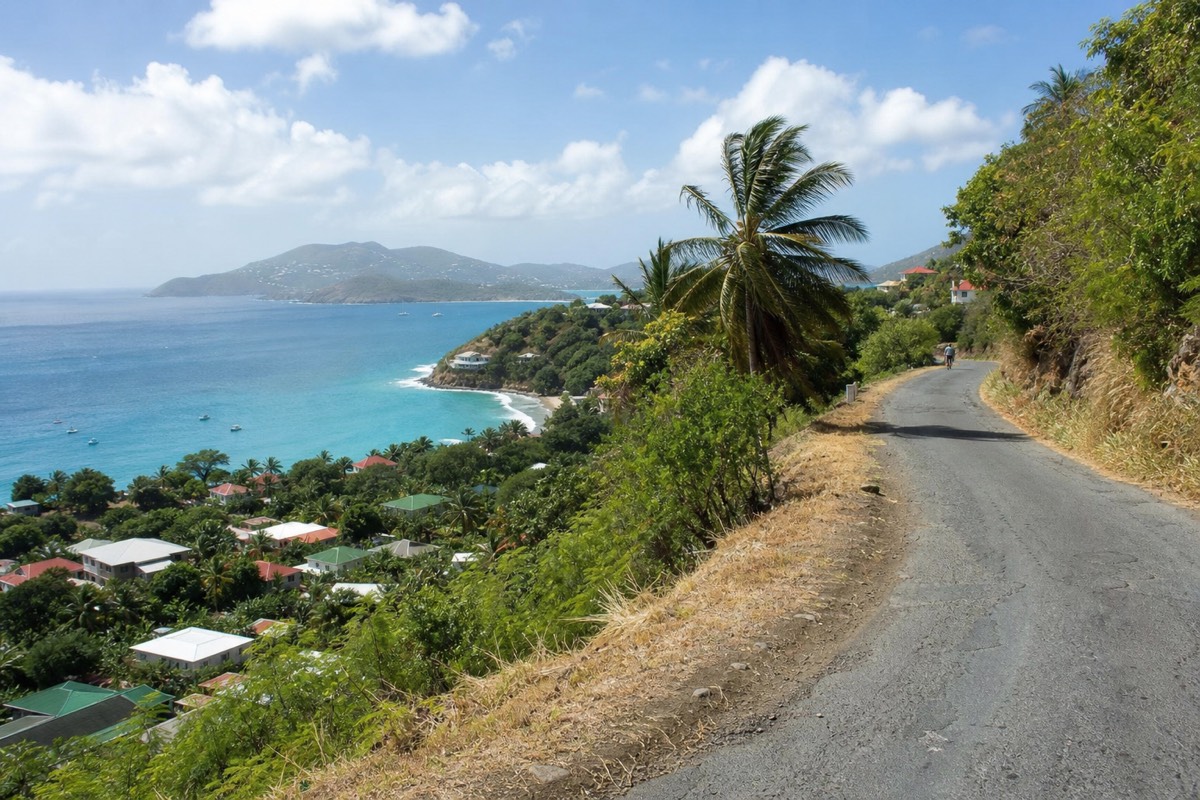
Price tables and illustrated budgets below are historical planning examples from the earlier guide. The current booking options may be different products; check their dates, inclusions and final prices before comparing costs.
What actually goes wrong on a Roatán visit
The ordering reflects what the operators we work with and travellers report most often, not a published statistic. No crime or injury figures were measured for this chart, and bar length shows rank only.
Is Roatan safe, and what does that mean on an ordinary day?
Roatan is safe enough that most visitors stop thinking about it within an hour of arriving. The operators we work with describe low violent crime, and the incidents that involve tourists are rare and almost always petty: a phone lifted in a crowd, a bag left unattended on the sand. The things that actually spoil a Roatan day are sun, heat and time.
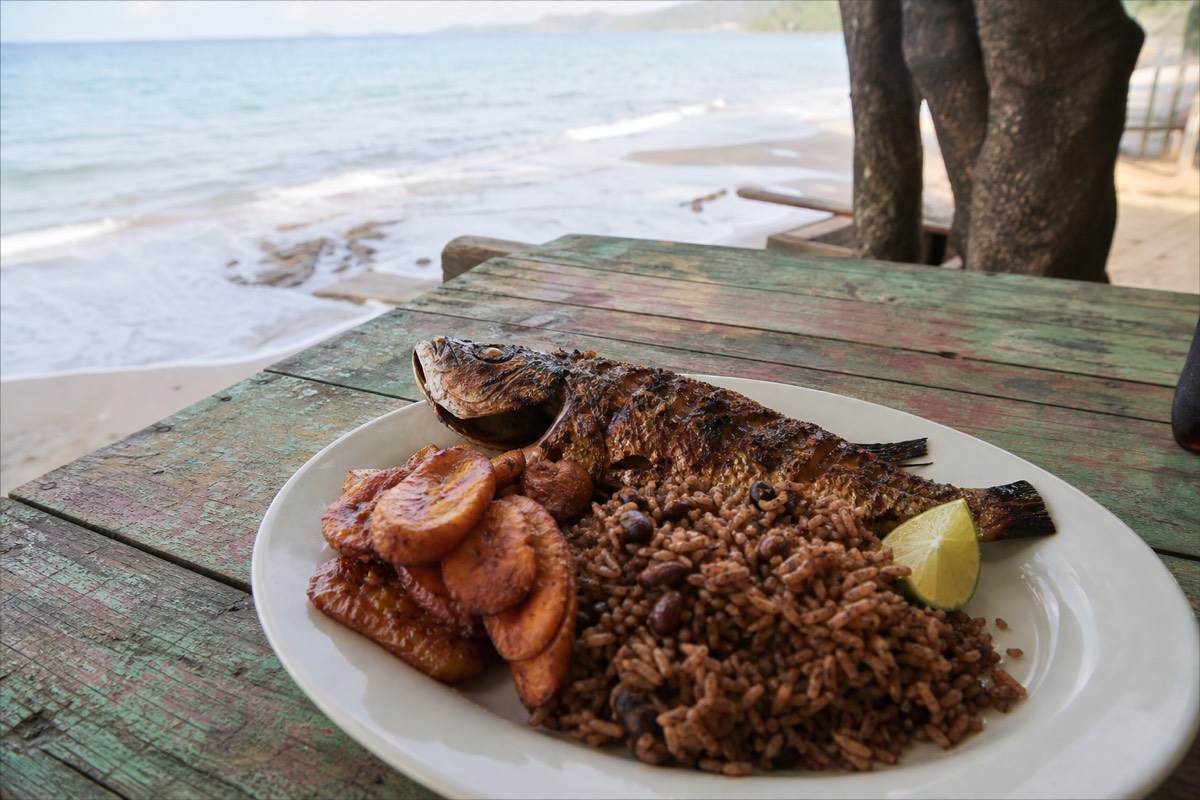
That distinction matters, because "is Roatan safe" is usually a question about crime and the honest answer is that crime is not where your attention should go. The island's published safety picture, as the people running tours here describe it, is one of low violent crime with the main tourist areas well patrolled and family-oriented. West Bay Beach, the sanctuaries and the cruise port areas are the parts of the island that see the most visitors and the most attention. What gets reported is opportunistic theft in busy places, not confrontation.
We should be clear about what we are and are not. We are a tour site. We have not run a crime survey, we do not publish incident numbers, and any page that gives you a precise safety percentage for a small Caribbean island has invented it. What we can pass on is what the operators we work with and the travellers who use them consistently report, plus the practical detail of how a day here is structured, which is where most real risk actually lives. If you want a formal risk assessment before you book, read your own government's current travel advice for Honduras and weigh it against how you plan to travel.
The rest of this guide takes the safety question apart into the separate decisions people are actually making: whether to leave the ship, whether to book something or freelance it, how to move around, what to do with your cash and your phone, and what to prepare for physically. Those are the answerable parts.
Is it safe to go to Roatan Honduras right now?
Nothing in the pattern the operators describe has shifted: ships call year round, the tourism areas run normally, and the one genuine recent rule change on Roatan was about wildlife handling rather than visitor safety. A page cannot be current for every reader, so treat this as the durable picture and check live advice for the week you travel.
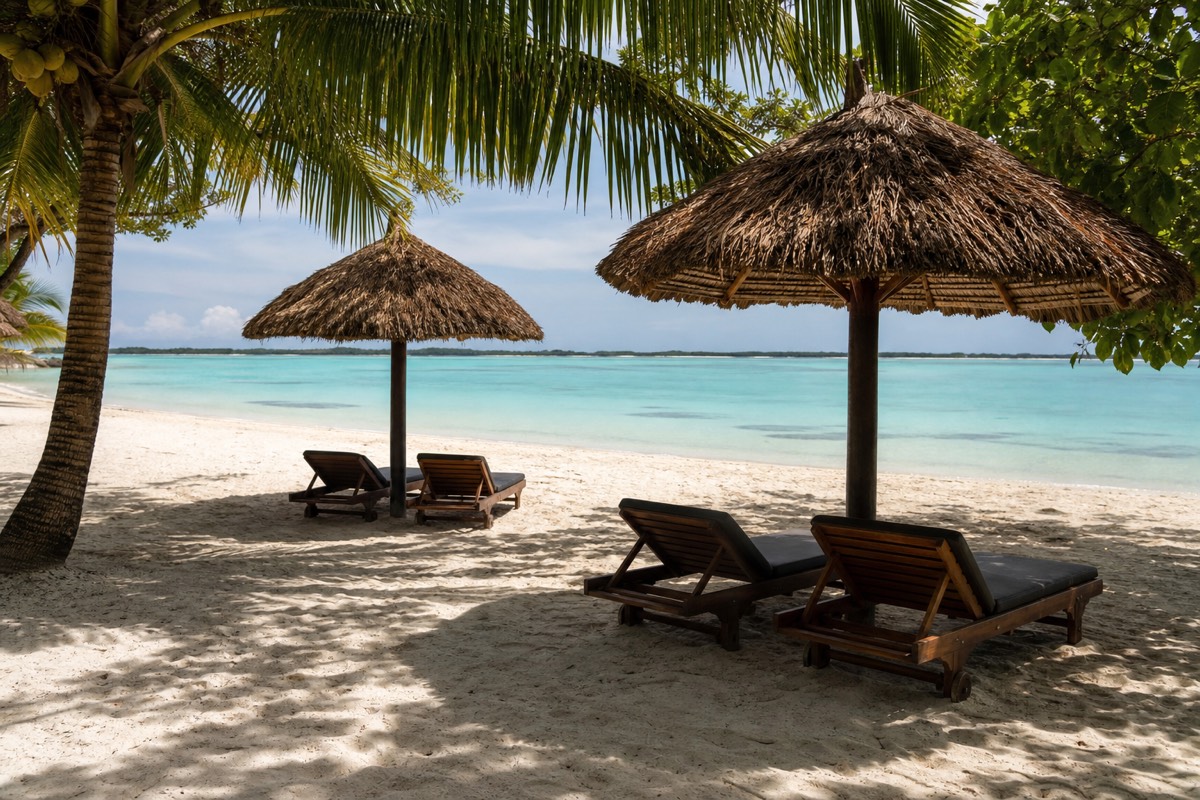
The "right now" version of this question spikes whenever Honduras appears in the news, and the news is almost never about Roatan. The island sits roughly 65 km off the northern Caribbean coast, has its own international airport at Juan Manuel Galvez (RTB) with direct flights from Houston, Miami and Atlanta, and runs an economy built on the reef. Most visitors arrive by ship or by air and never touch the mainland at all.
The change people sometimes mistake for a safety story is the wildlife rule. In January 2025 Honduras's wildlife authority, the Instituto Nacional de Conservacion y Desarrollo Forestal, restricted the handling of animals for exhibition and photographs, with enforcement on Roatan starting on 1 March 2025. Cruise lines rewrote their excursion descriptions and a lot of travellers assumed something had gone wrong on the island. Nothing had. You can still visit the sanctuaries, get close and photograph the animals, but you cannot hold a sloth for a picture, and we cover exactly the 2025 sloth-handling rule change separately.
For a date-specific read, two things are genuinely worth checking in the week before you go: your own government's travel advice, and the ship schedule for your port day, because a six-ship day changes your experience of the island far more than anything else on this page.
Is Roatan safer than mainland Honduras?
We will not give you a statistical comparison, because we do not have one and neither does any tour site that offers you one. What we can say honestly is that Roatan is a Bay Island with a different economy, a different setting and a different visitor pattern from the mainland cities that shape Honduras's reputation, and that a cruise call or a beach week is a very different kind of exposure from independent mainland travel.

The geography does a lot of the work here. Roatan is the largest of the Bay Islands, separated from the mainland by open water, reachable directly from several US cities without transiting a mainland city at all. Its visitor economy is reef tourism: snorkelling, diving, sanctuaries, beach days, ship calls. The parts of the island a visitor uses are small, well travelled and heavily dependent on tourists having a good time.
The island's cultural history is separate too, which is why English is so widely spoken here alongside Spanish and Garifuna, a difference we unpack in our piece on what language people speak on Roatan. Practically, that means most visitors can ask a question, agree a taxi fare and read a sign without friction, and being able to communicate is itself a safety feature.
What we are not going to do is quote you crime figures for Tegucigalpa or San Pedro Sula to make the island look good by contrast. That is a rhetorical move, not information. If the country-level picture is what is worrying you, read your own foreign ministry's current assessment. It will distinguish between regions, and that distinction is the whole point.
Is it safe to get off the ship in Roatan Honduras?
Yes, and the great majority of passengers do. Both cruise terminals are controlled, walkable environments with shops, food and taxis inside or immediately outside the gate. The question worth asking is not whether to get off, but what you do with the six to eight hours once you have.
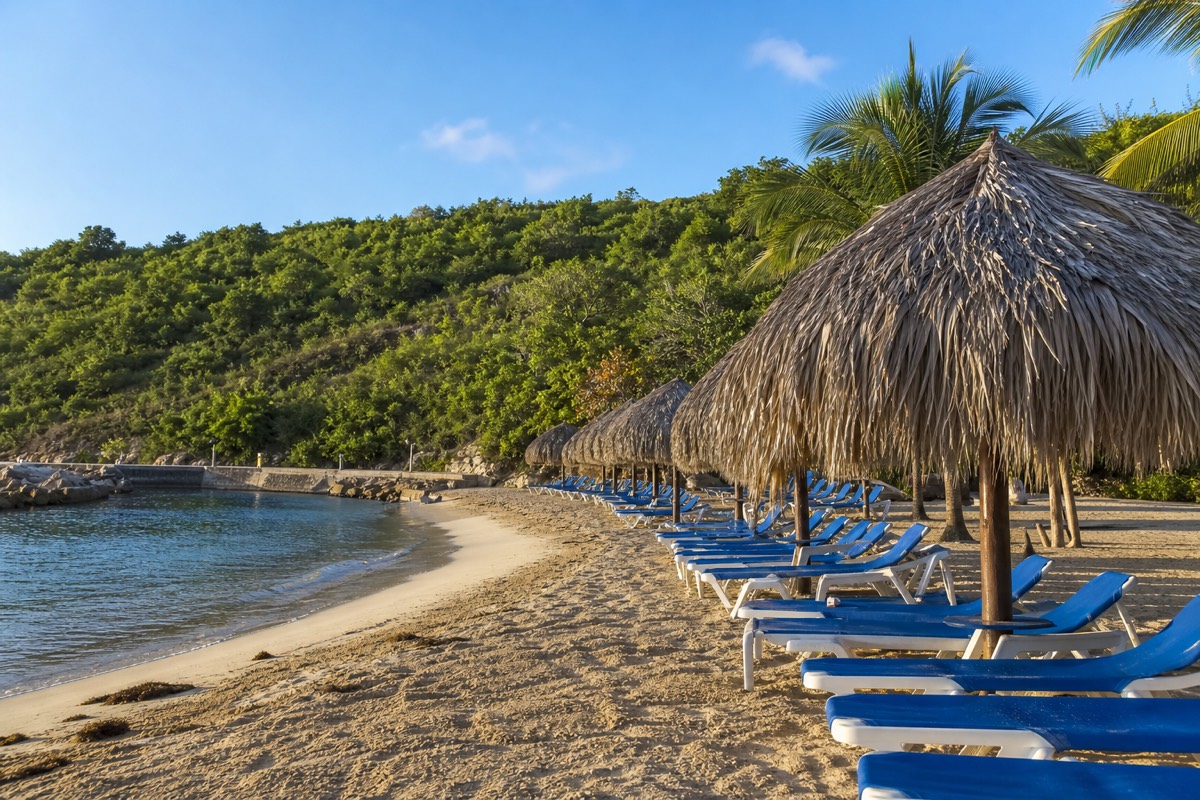
Roatan has two separate cruise terminals, not one, and which you use depends on your ship. Mahogany Bay, on the southern shore, handles the larger volume and is used by Carnival, Royal Caribbean and Norwegian among others. It puts you within walking distance of a small private beach, shops and restaurants, plus a chairlift up to a hilltop viewpoint. Coxen Hole is the island's main town and the other terminal, and it feels like a working town rather than a resort the moment you step past the gate. If you are not sure which one you are booked into, our guide to which cruise terminal your ship uses lays out the differences.
The mechanics of leaving the terminal are worth knowing in advance, because a confused first twenty minutes is where people make bad decisions. At Mahogany Bay, meeting a tour usually means walking uphill over the concrete hill to Security Gate 1 and the main gate; anyone using a wheelchair or a mobility scooter can take a $2 taxi over the hill instead. At Coxen Hole, most operators meet you after you exit Gate #3 and look across the street, with some using Kiosk #1 and others waiting past the Pirana Joe shop. Knowing your meeting point before you disembark removes most of the stress from the morning.
Inside the terminals themselves you are in a managed environment. The moment you are outside the gate you are in a normal Caribbean town, which means normal town awareness: keep your phone away when you are not using it, do not wander with a wallet in a back pocket, and agree prices before services.
Is it safe to do an excursion in Roatan Honduras?
Excursions are the safest structured part of a Roatan day, because the operator absorbs the two things that actually go wrong here: transport and timing. The real variation is not between "safe" and "unsafe" operators so much as between booking methods, and the differences there are about price, capacity and whether anyone is contractually responsible for getting you back.
There are three ways people book. Online in advance through verified operators typically runs $45 to $99 for activity and combo tours, with $68 for a fully custom private day; pickup is confirmed, a spot is reserved, most operators apply a ship-departure guarantee, and most allow free cancellation 24 hours ahead. The ship's own shore excursion desk is generally 30 to 60% above direct online rates for a comparable experience, and what the premium buys is the ship's own guarantee that it waits for you. Walking up at the port or on the beach is often cheaper for basic tours, but on a multi-ship day the popular activities sell out, and nobody has promised to return you before all-aboard.
The private and small-group day tours listed on Roatan Honduras Tours sit in the first category, which is why they carry a departure guarantee and a fixed meeting point. That is the practical safety argument for booking rather than freelancing, and we make it once here rather than at the end of every section.
Here is where the genuine, activity-level risk actually sits, as opposed to where people assume it sits.
| Activity | What can actually go wrong | How likely | What removes most of it |
|---|---|---|---|
| Reef snorkelling from a boat | Fatigue in open water, mild seasickness, sunburn on your back | Low, and mostly self-inflicted | Life vest offered, guide in the water, rash guard, motion tablets before boarding |
| Snorkelling from West Bay beach | Drifting past the shelf edge, coral scrapes, nobody watching your bag | Low but unsupervised | Stay inside the shallow garden, go with someone, leave valuables at the ship or hotel |
| Scuba diving | Depth and wall exposure, gear unfamiliarity | Low with certification, high without | C-card required to board on the site's dive tour, small groups, low diver-to-guide ratio |
| Zip lines | Harness fit, height nerves, age and weight limits ignored | Low, limits are enforced | Minimum age about 8 to 10 or 122 cm, weight roughly 40 to 120 kg, briefing before the first platform |
| ATV jungle ride | Mud after rain, back jolts, unfamiliar machine | Moderate, the highest on this list | Guided convoy, not advised in pregnancy or with back or heart problems |
| Sanctuary visit | Very little; heat and crowding in the afternoon | Very low | Go in the first hour after opening, no handling under the 2025 rules |
| Taxi to West Bay on your own | Fare dispute, slow return traffic near the port | Low risk, high annoyance | Agree the price and whether it is per person before getting in |
| Scooter, ATV or golf cart hire | Narrow winding roads, other traffic, no helmet habit | The clearest physical risk on the island | Skip it on a port day; if you must, stick to daylight and the main road |
| Walking West End after dark | Unlit stretches between bars, opportunistic theft | Low, but the one time to be deliberate | Taxi between venues, keep the phone pocketed, travel in company |
What actually goes wrong on a Roatan visit, most common first
Sunburn is the number one thing that ruins a Roatan day, followed by dehydration and heat fatigue, then timing anxiety about getting back to the ship. A lost or stolen phone comes fourth. Scooter scrapes and reef cuts are real but uncommon. Violent crime does not appear on the list operators describe at all.
That ordering is not a published statistic and we are not presenting it as one. It reflects what the operators we work with report seeing on the boat and in the van, day after day. We think it is more useful than a crime index, because it is actionable: every item on it has a fix that costs almost nothing.
| Rank | What goes wrong | Why it happens here specifically | The fix |
|---|---|---|---|
| 1 | Sunburn | Day excursions run in 28 to 33 degrees with high humidity, and you spend hours face-down in water that hides the burn until you get out | High-SPF waterproof sunscreen applied before you leave the ship, plus a rash guard for the snorkel stops |
| 2 | Dehydration and heat fatigue | Heat plus salt water plus a full itinerary; people forget to drink because they are not sweating visibly in the sea | A one-litre refillable bottle, shade between stops, and slowing down at midday |
| 3 | Missed all-aboard timing | All-aboard is typically 16:30 to 17:30 and traffic near the ports slows from about 16:00 | Book transport that has a departure guarantee, and start back one to two hours before all-aboard |
| 4 | Lost or stolen phone | Crowded beach and market moments, phone out for photos, bag on the sand while you swim | Cross-body bag, phone away when not in use, dry bag on the water, nothing valuable left on a towel |
| 5 | Scooter, ATV or golf cart scrape | Paved but narrow and winding roads, unfamiliar vehicle, holiday inattention | Use taxis or an included tour transfer; if you rent, ride sober, slow and in daylight |
| 6 | Reef cuts, stings and fin rash | Shallow coral gardens sit close to the surface and people stand up on them | Never stand on the reef, wear water shoes on entry, keep fins clear of coral |
Look at that list and the booking decision writes itself. Three of the top six are handled by having a guide, a vehicle and a schedule. The other three are handled by a hat, a water bottle and a dry bag.
Is it safe to walk around West Bay and West End?
Both are safe to walk in daylight and both are busy with visitors for most of the day. West Bay is beach and resort frontage, West End is the bar and restaurant strip, and the two are connected along the shore. The only time we would change the advice is late at night in West End, where the sensible move is a taxi between places rather than a walk along unlit stretches.
West Bay Beach is fine white sand with water that runs pale turquoise in the shallows and deeper blue further out, with reef close enough that you can snorkel straight off the sand. Bananarama and Infinity Bay sit on the beach, and Little French Key is a short taxi away. The rhythm of the beach is entirely driven by ships: it fills significantly between 10:00 and 15:00 on busy days, stays quiet before 09:30, and clears again after 15:30 as passengers head back. Our full West Bay Beach guide covers where to put your towel and how far you have to walk to escape the crowd.
Crowd density is the safety variable that matters here, because the one thing operators do report is petty theft in busy places. At 11:00 on a five-ship day, the middle of West Bay is the most crowded 200 metres on the island. Walking further down the beach gets you quieter sand and, incidentally, fewer people near your bag.
West End has a different texture: a strip of bars, dive shops and restaurants rather than a beach frontage, with Half Moon Bay as its swimming spot. If you are deciding between the two as a base, we compare how West End compares with West Bay in detail. For a visitor staying overnight, the practical rule is simple: walk freely by day, take a taxi after dark, and do not carry more than you would be relaxed about losing.
Are Roatan taxis safe, and is it safe to drive yourself?
Taxis are the standard way to move around Roatan and they are not a safety problem; they are a price negotiation. There is no Uber and no Grab on the island, so agreeing a fare before you get in is the whole skill. Driving yourself is where the genuine physical risk sits, because the roads are paved but narrow and winding.
Fares at the ports are often fixed rather than metered, and rates are posted. Confirm two things before the door closes: the number, and whether that number is per person or for the car. That single question prevents nearly every taxi argument on this island. English is common among drivers who work the tourist routes, so this is not a language problem.
Renting a scooter, an ATV or a golf cart is popular and it is the one choice we would push back on for a cruise passenger. You are on unfamiliar narrow roads, driving on the right, in heat, with a hard clock. The upside is flexibility you can get from a taxi anyway; the downside is the most common physical injury visitors have here.
| Option | Typical cost | Good for | The honest risk |
|---|---|---|---|
| Taxi, Mahogany Bay to West Bay | About $10 to $20 per person, 20 to 30 minutes | A simple beach day off the ship | Fare confusion; slow return traffic after 16:00 |
| Taxi, Coxen Hole to West Bay | About $15 to $25 per person, 25 to 35 minutes | The same, from the other terminal | Same, plus a longer run back |
| Airport (RTB) taxi to West Bay or West End | About $30 to $50 | Arrival day with luggage | Little, beyond agreeing the fare |
| Pre-booked private transfer | About $40 to $80 round trip | Families, early flights, anyone who wants a name waiting | Cost, not safety |
| Colectivo or shared local taxi | About $1 to $2 | Budget travel between towns | Crowded, slow, luggage is awkward; fine in daylight |
| Scooter, ATV or golf cart hire | About $30 to $60 a day | Multi-day stays with a flexible schedule | The clearest injury risk on the island; avoid on a port day |
| Rental car | About $50 to $100 a day | A week on the island with an east-end plan | Narrow winding roads, parking at West Bay |
| Included tour transport | In the tour price | Port days, anyone on a clock | None worth listing; this is the low-variance option |
How much cash should you carry on Roatan?
Bring small US dollar bills and carry roughly the day's spend, not your holiday budget. Roatan runs largely on USD, Honduran lempiras also circulate, and many beach vendors, taxis and small restaurants either do not reliably take cards or add a fee. That makes cash normal here, which in turn makes carrying it sensibly the thing to think about.
Work out the day rather than guessing. A taxi both ways from the port, snorkel gear rented on the beach at $10 to $15, lunch and a couple of drinks with beer or wine on tour at $3 to $6, and tips to guides and crew of roughly $10 to $20 total for the day. If you are visiting a sanctuary independently rather than on a tour, entry paid at the gate runs about $40 to $60 per person, which is the single largest cash item most people hit.
The other half of this question is what happens while you are 40 metres offshore looking at a parrotfish. Nobody is watching your towel. The tours that use resort beach clubs give you a reserved chair and a base, which helps, but the honest answer is that the safest place for a passport, a spare card and a phone you care about is the ship's safe or the hotel's.
| Item | Bring it ashore? | Where it lives during the day |
|---|---|---|
| Small USD bills, the day's spend | Yes | Split between a front pocket and a cross-body bag, never one stack |
| One card | Yes, as backup | Zipped pocket; expect to use cash for most small purchases |
| Second card and spare cash | No | Ship or hotel safe |
| Passport | No, unless your ship requires it | Ship or hotel safe; carry a photo of it on your phone |
| Phone | Yes | Dry bag or waterproof case, out of sight in crowds, never on the towel while you swim |
| Jewellery and watches | No | Left at home or in the safe; salt water ruins them anyway |
| Ship card and ID | Yes | Waterproof pouch; you cannot re-board without it |
Is Roatan safe for solo travellers, including solo women?
What the operators report, and what travellers tell us, is that solo visitors including solo women consistently say they feel safe here, and that private tours are where they feel most comfortable because a driver-guide stays with them all day. That is reported experience rather than a guarantee, and we would rather label it honestly than dress it up as data.
The mechanism behind the reports is not mysterious. On a private day you are not on a shared bus, you are not standing at a roadside working out which taxi to take, and somebody whose job depends on their rating knows exactly where you are and when you need to be back. The guides working these routes are described as professional and protective, and there are no significant harassment reports from the main visitor areas. For a solo traveller the practical benefit is that the ambiguous moments, the ones between activities, mostly stop existing. The private West Bay day tour is a straightforward example of that structure: one vehicle, one guide, sanctuary, snorkel and beach, back on time.
None of that means you switch your judgement off. The checklist below is the boring version, and boring is what works.
| When | Do this | Why |
|---|---|---|
| Before you book | Choose an operator with a visible track record and clear cancellation terms | Established operators carry insurance and have emergency protocols; new listings may not |
| Before you book | Confirm the meeting point in writing, by gate number | Mahogany Bay and Coxen Hole have different gates; the wrong one costs you an hour |
| The night before | Send the operator name, guide name and return time to someone at home | Somebody outside the island knows your plan and your timeline |
| The morning of | Charge the phone fully and bring a cross-body bag | A dead phone is the actual emergency, not a stranger |
| The morning of | Leave spare cards, jewellery and the passport in the safe | Petty theft is the realistic risk, so reduce what can be taken |
| During the day | Drink more water than feels necessary and stay in shade at midday | Heat exhaustion is a far likelier problem than crime |
| During the day | Keep the phone pocketed in crowded beach and market moments | Phone snatching in crowds is the one incident type that gets reported |
| Getting back | Start back one to two hours before all-aboard | Traffic near the ports slows from about 16:00 |
Is Roatan safe with children?
Yes, and the island is unusually easy with children because the headline activities scale down. Snorkel boats take all ages with child life jackets provided and snorkelling itself optional, sanctuaries have no height or weight limits at all, and the one activity with hard rules is the zip line. Heat, not risk, is what you plan around.
The specifics are worth having before you book. On snorkel tours all ages are welcome on the boat, child life jackets come in child sizes, and most operators let children of about three or four snorkel with adult supervision while younger ones float in a jacket or stay aboard. Child rates commonly run 50 to 70% off for ages three to eleven, with under-threes free or nominal. Zip lines usually set a minimum of eight to ten years or about four feet, roughly 122 cm, with harness weight limits around 40 to 120 kg, and some operators allow younger children tandem. Sanctuaries take all ages with adult supervision. The private cooking class is the outlier at 14 and over only.
The thing that actually catches families out is the schedule. A full-day tour of six to eight hours in 28 to 33 degrees with high humidity is a lot for a six-year-old, and the second half of the day is where the meltdowns happen. Private and small-group tours give you the flexibility to shorten a stop or add a break, which is worth more with young children than any specific itinerary. We have sorted through which trips genuinely work at which ages in our guide to the excursions that work with young children.
How safe is the water at the reef edge?
The water is calm and shallow where most people swim, but Roatan's reef does something that surprises visitors: it starts in ankle-deep coral garden and then drops away in a wall. Off West Bay the shelf goes from shallow coral to a wall descending to 30 metres and beyond within swimming distance of the beach. Knowing where that edge is matters more than any other water advice here.
This is why guided snorkelling is structured the way it is. The three-stop tours start in the shallow Marine Park as a warm-up for beginners, then move to the barrier reef, then to the drop-off wall, 30 to 45 minutes at each. That progression is a safety design, not a marketing sequence. The operator running it states plainly that the trip is not suitable for non-swimmers or people over 70, which is the kind of honest limit we would rather see than a claim that everyone can do everything. We go deeper into the conditions and the sensible limits in our piece on how safe snorkelling here really is.
Diving is a separate matter and the site's dive tour is certified divers only, with a C-card required to board and an explicit exclusion for non-swimmers and people with heart or respiratory issues. Uncertified visitors are pointed to an intro option elsewhere rather than being taken to a wall.
The last piece is contact. Touching coral or marine life is forbidden on these tours, and the guides enforce it inside the Marine Protected Area boundaries. That rule protects the reef, and it also protects you from fire coral, urchins and the kind of cut that heals slowly in salt water. The Roatan Marine Park sets out the stewardship rules and why they exist. The short version for a swimmer is: float, do not stand.
Sun, heat, mosquitoes and sandflies: the prep that actually matters
Temperatures run roughly 21 to 29 degrees year round, and day excursions happen in 28 to 33 degrees with high humidity. That combination, plus water that hides how much sun you are taking, is responsible for more spoiled Roatan days than everything else on this page put together. Sunscreen, water and repellent are the three items that change your trip.
Sun first, because it is the top of the list for a reason. Apply high-SPF waterproof sunscreen before you leave the ship rather than on the boat, wear a rash guard for the snorkel stops, and add a wide-brim hat, SPF lip balm and polarised sunglasses. The back of your legs and the backs of your ears are what burn while you are face-down over the reef. Carry a one-litre refillable bottle and drink from it on a schedule, not when you feel thirsty.
Sandflies and mosquitoes are the other reliable annoyance, particularly on beaches at dawn and dusk and around the mangroves on the east end. Insect repellent goes in the day bag, not the suitcase. For vaccinations, mosquito-borne illness and anything medical, use a proper source rather than a tour site: the CDC's travel health page for Honduras is the one to read before you book, and PAHO's Honduras country page gives the broader public health context. We are not qualified to advise on either and will not pretend otherwise.
| Concern | Why it matters here | What to bring | When to sort it |
|---|---|---|---|
| Sun exposure | Hours in the water at 28 to 33 degrees; the burn is invisible until you are dry | High-SPF waterproof sunscreen, rash guard, wide-brim hat, SPF lip balm, polarised sunglasses | Packed at home; applied before leaving the ship |
| Dehydration | High humidity and a full itinerary; salt water masks thirst | One-litre reusable bottle | Filled before you disembark |
| Sandflies and mosquitoes | Worst at dawn and dusk, and around the east-end mangroves | Insect repellent, light long sleeves for evening | In the day bag, not the suitcase |
| Motion sickness | Afternoon swells in summer and early autumn on boat transfers | Motion-sickness tablets | Taken before boarding, not after symptoms start |
| Foot injuries | Coral, rock entries and hot sand | Water shoes or grippy sandals | Worn to the beach |
| Rain | Showers are routine from May to October | Light rain jacket or poncho | Packed for any May to October trip |
| Vaccinations and medication | Country-level health guidance changes and is not our field | Whatever the CDC page and your own doctor advise | Weeks before you travel, not the night before |
The season you pick changes how hard the heat hits, which is one more reason to read the best time of year to visit Roatan alongside this page.
How much timing buffer does a port day actually need?
Give yourself one to two hours between finishing your last activity and all-aboard. All-aboard is typically 16:30 to 17:30, passengers start heading back from about 16:00, and traffic near the ports slows exactly when everyone needs it not to. Timing, not crime, is the risk a cruise passenger should actually plan around.
The traffic problem is a volume problem. On busy days three to five large ships dock at Mahogany Bay and Coxen Hole, and on the worst days four to six, putting several thousand passengers ashore at once. December to April and July to August are the heaviest periods, with mid-week and weekends busier within them. Every one of those passengers wants a taxi at the same hour you do. Checking the Roatan port schedule on CruiseMapper before you fix your plan tells you what kind of day you are walking into.
Operators build their own buffers, and they are worth understanding. Several use a "ship arrival plus one hour" meeting formula, which sounds late but accounts for disembarkation reality. One snorkel operator does the opposite and asks passengers to leave the ship 30 minutes after doors open, specifically to reach the reef ahead of the big ship-sold excursions. Both are timing strategies, and both work better than improvising.
This is where the case for booking rather than freelancing is strongest, and we will make it once: a guided or private day removes the transport and timing exposure, which is the genuine risk on a port day. Someone else owns the clock, the vehicle and the return, and most such tours carry a ship-departure guarantee. The fully custom private island day and the exclusive private snorkel and wildlife day both work on that basis. If you would rather do it independently, that is entirely viable too, and the timing table below is how you make it work.
| Milestone | Target clock | What the buffer buys you |
|---|---|---|
| Ship doors open | Usually 07:00 to 08:00 | Leaving in the first 30 minutes beats the ship-sold excursions to the reef and the sanctuaries |
| At the meeting point | Ship arrival plus one hour, or as your operator states | Absorbs slow disembarkation without anyone waiting on you |
| Reach West Bay independently | Before 09:30 | The beach is quiet before 09:30 and fills from 10:00 |
| Last activity finished | By 14:30 | Leaves room for a slow taxi and a queue at the gate |
| Leaving West Bay | By 15:00 to 15:30 | Ahead of the 16:00 exodus, when taxi demand spikes |
| Back inside the terminal | One to two hours before all-aboard | The full margin for traffic, a security queue and a wrong gate |
| All-aboard | Typically 16:30 to 17:30 | Not a target, a deadline; the ship does not wait for independent travellers |
Read the whole page back and the pattern is consistent. Roatan asks very little of you in terms of vigilance and quite a lot in terms of preparation. Sunscreen, water, small bills, a dry bag and a clock you respect will cover almost everything that realistically happens here.