The Roatán Chocolate Factory: What to Know Before You Visit
Roatán has chocolate tastings worth a short stop and a hands-on class in West End. Choose the class to make a bar to take home, or an island tour if a tasting is enough.
Booking Choice: Choose making your own bar, a tasting stop or a wider island day. Explore Make Chocolate In West End ↗
Price tables and illustrated budgets below are historical planning examples from the earlier guide. The current booking options may be different products; check their dates, inclusions and final prices before comparing costs.
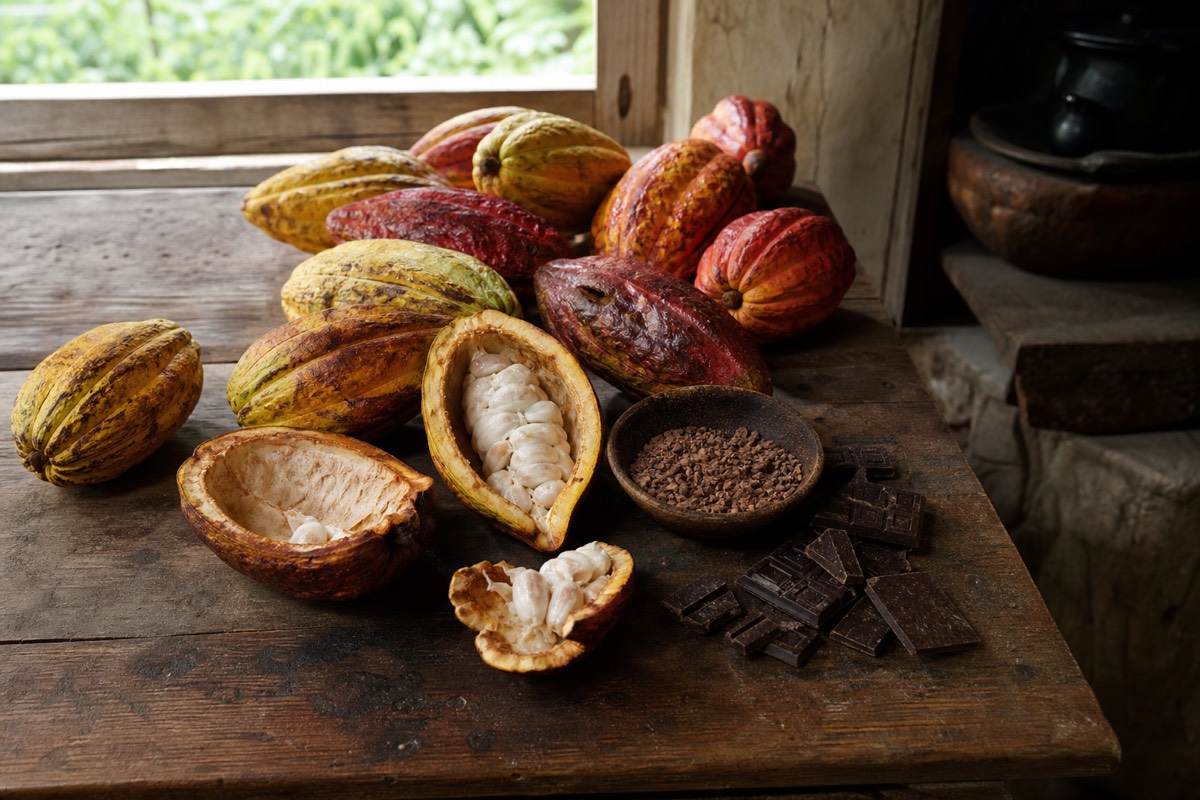
From cacao pod to the bar in the tasting room
The eight stages are the standard bean-to-bar sequence, shown for orientation rather than as factory-specific data. The one duration on the chart, the roughly 30-minute tasting stop, is read off the operator's own tour listing in August 2026. No factory hours, prices or yields appear here because none are published.
Is there a standalone Roatán chocolate factory tour?
You can choose a short tasting within an island itinerary or a dedicated chocolate-making class at the Roatan Chocolate Factory in West End. The class runs two to three hours in total and includes making chocolate to take home. It is a different experience and venue from the older Mayak tasting described below; cruise guests must confirm a class time that fits their port call before booking.
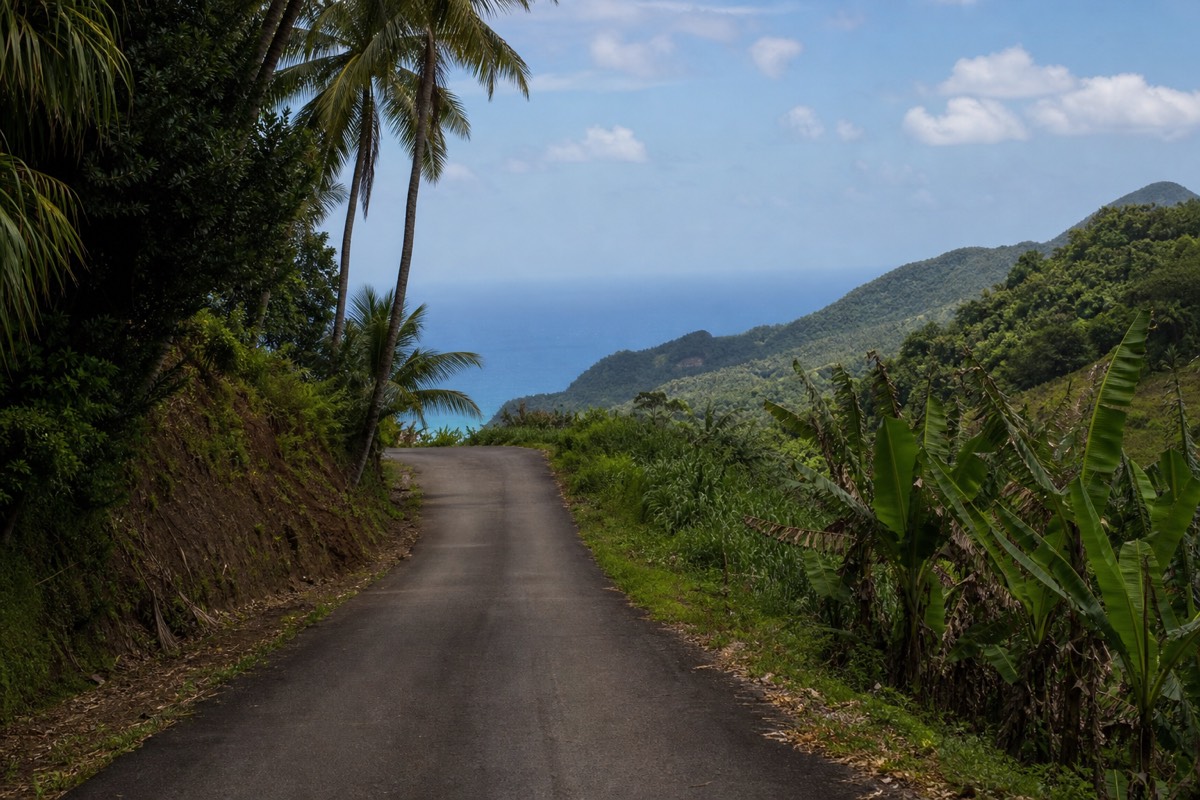
You can choose a short tasting within an island itinerary or a dedicated chocolate-making class at the Roatan Chocolate Factory in West End. The class runs two to three hours in total and includes making chocolate to take home. It is a different experience and venue from the older Mayak tasting described below; cruise guests must confirm a class time that fits their port call before booking.
What we do list is the chocolate, rum and markets island tour, a private circuit with your own driver-guide that opens at the chocolate factory and then keeps moving. Two other tours on the site, the sanctuary visit with a West Bay snorkel and the guided jungle wildlife tour, fold a rum and chocolate tasting into a wider day built around wildlife. And the fully custom private island day lets you name a chocolate or rum factory as one of the stops you choose, because that tour is a blank itinerary you fill in with your guide.
So the question is not really "which chocolate tour". It is "how much of my day do I want the chocolate to be, and what do I want wrapped around it". The rest of this guide answers that.
Which tours actually include the Roatán chocolate factory?
Four tours on this site contain a chocolate element. One puts it first and names it in the title, one lets you request it from a menu, and two include a combined rum and chocolate tasting inside a wildlife day. The prices, durations and ratings below are the operators' own published listing figures.
| Tour | What the chocolate part is | From | Length | Listing |
|---|---|---|---|---|
| Custom Island Tour with Chocolate, Rum, Markets & Private Driver | Mayak Chocolate Factory, roughly a 30-minute tasting, bars available to buy | $50 | 3 to 6 hours | 4.8 on Viator, 687+ booked |
| Roatan's Original Best of Tour | A chocolate or rum factory chosen from the activity menu you build with your guide | $68 | 3 to 8 hours | 4.9 on Viator, 4,440+ booked |
| Monkey & Sloth Sanctuary Visit + Snorkel | A rum and chocolate factory stop with free samples, between the sanctuary and the beach | $75 | 4 to 5 hours | 4.3 on GetYourGuide, 1,448+ booked |
| Guided Jungle Wildlife Tour, Eco-Park & Animal Encounters | An optional rum and chocolate tasting at the Roatan Rum Company, added if you ask | $45 | 2 hours, extendable | 4.6 on TripAdvisor, 438+ booked |
Read the middle column carefully, because it is where the differences live. Only the first row names a chocolate factory as a fixed, scheduled stop with a published duration. The second row is a possibility rather than a promise, which is fine as long as you raise it when you book rather than in the van. The last two rows are tastings bolted onto a day whose real subject is sloths, monkeys and reef.
Our honest read: if chocolate is the reason you are booking anything, take the custom island tour that names the factory. If chocolate is a pleasant twenty minutes you would enjoy on the way to something else, the last two rows are better value for the day as a whole.
What actually happens during a Roatán chocolate factory stop?
Expect a workshop-scale tasting rather than an industrial plant tour. The operator's listing describes a 30-minute session at the Mayak Chocolate Factory with a chocolate tasting and the chance to buy local bars. That is the extent of what is published, and we are not going to dress it up into something larger.
Half an hour is enough time for a guided tasting, a look at whatever part of the process is running that morning, some questions, and a purchase. It is not enough time for a full production walkthrough, and nobody advertises one. The stop sits in an air-conditioned private vehicle day with a bilingual guide, so the transition in and out of it is quick and you are not queuing behind a coach.
The rum and cake factory that follows works the same way: samples, a short guided tasting, and things to buy. The operator's own copy calls the samples free, which in practice means they are covered by what you already paid rather than charged again at the counter. Lunch is not included on this tour, and neither are alcoholic drinks beyond the tasting pours.
One thing that genuinely improves the stop is asking questions. A tasting where you say nothing lasts twenty minutes and produces a chocolate bar. A tasting where you ask what the beans are, where they come from, and what the roast does to the flavour turns into a conversation, and this is a private tour, so there is nobody waiting behind you.
How does a cacao pod become a chocolate bar?
Cacao is a fruit. The bar starts as seeds inside a pod, and the flavour people associate with chocolate is not in those seeds at harvest. It is built by fermentation and roasting, then refined by grinding, conching and tempering. Eight stages, and a tasting room only shows you the last few.
Here is the sequence in plain terms. The pod is cut from the tree and opened, and the wet seeds are scooped out with the pulp around them. Those seeds are fermented, which is where most of the flavour compounds are created rather than added. They are dried, which stops the fermentation and takes the moisture down for storage and shipping. Then they are roasted, which is where the smell you recognise appears.
After roasting, the papery husk is cracked off and blown away, a step called winnowing, leaving nibs. The nibs are ground into a paste. Conching is the long mixing and aerating stage that takes the grit out and turns paste into something that feels smooth on the tongue. Tempering is the controlled heating and cooling that gives a finished bar its snap and its glossy surface, and it is the reason a badly stored bar goes dull and streaky.
Knowing that changes what a 30-minute tasting is worth. You are being shown the tail end of a process that mostly happened somewhere else, and the useful thing to ask is which of those eight stages happens on the island and which does not.
Where does the Roatán chocolate factory sit in a half-day island loop?
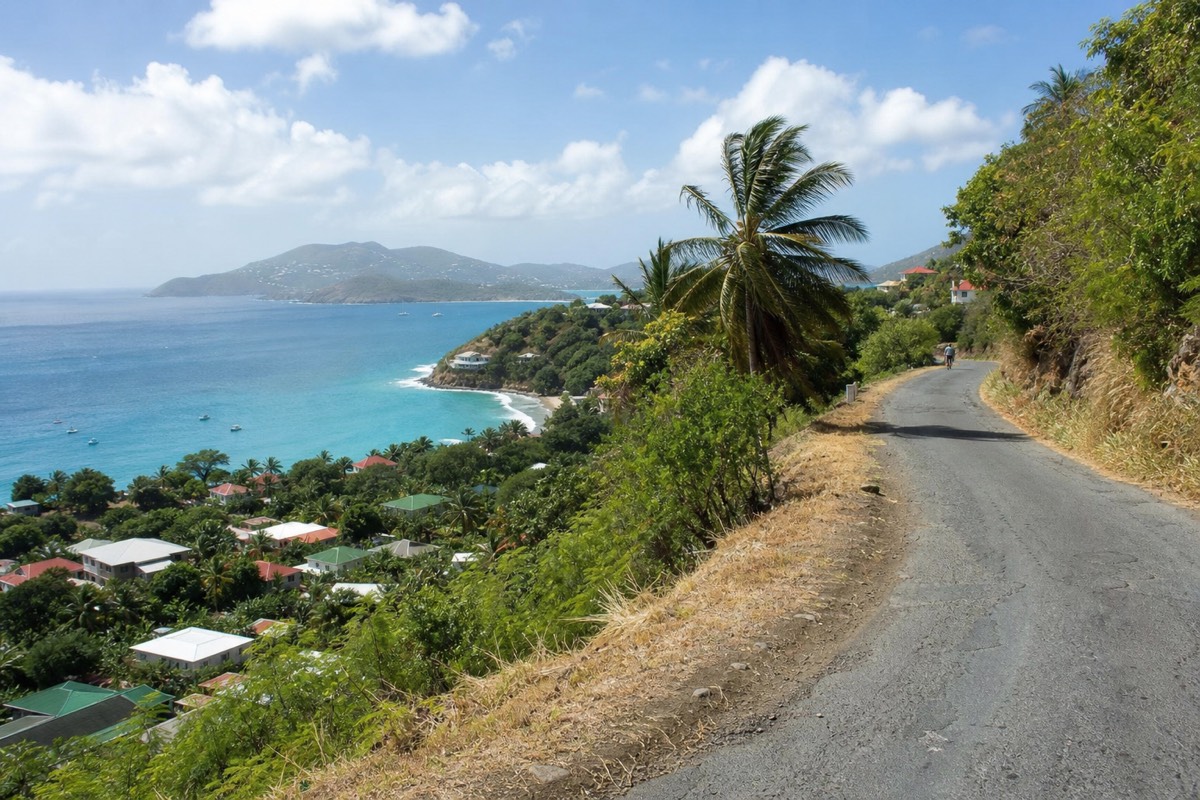
The chocolate factory is the opening stop, not the finale. The listed order runs factory, then the rum and cake factory, then the Roatán Sign and panoramic overlooks, then Coxen Hole village and the Rusty Fish market, then back to your ship or hotel. The tour's operating window is 06:00 to 16:00.
| Stage of the loop | What it is | Rough share of the day |
|---|---|---|
| Pickup and transfer | Air-conditioned vehicle from your port, hotel or Airbnb | Opening leg |
| Mayak Chocolate Factory | Tasting plus bars to buy, the one published duration on the whole itinerary | About 30 minutes |
| Rum and cake factory | Guided tasting of island spirits and cakes, free samples | Short stop |
| Roatán Sign and overlooks | Photo stops with commentary on the island's geography | Several short stops |
| Coxen Hole village | The island's main town, with the guide's context on its history | Driving and walking |
| Rusty Fish craft market | Recycled-material crafts, the shopping stop of the day | Browsing time, your call |
| Return transfer | Back to the ship or your lodging | Closing leg |
The right-hand column is deliberately vague, and that is not evasion. The only duration the operator publishes for any single stop is the 30-minute chocolate tasting. The tour runs anywhere between three and six hours depending on how long you linger, which is the point of a private day. Padding the table with invented timings would make it look more useful and be less true.
What we would say from working with island operators: the shopping stop is the elastic one. Two people who want a coffee and a look around finish this circuit in three and a half hours. A family who wants photographs at every overlook and an hour at the market fills six.
What is worth buying at the Roatán chocolate factory, and what travels home?
Bars from the tasting are the obvious buy and the operator lists them as available. The complication is heat. Roatán runs at roughly 21 to 29 degrees Celsius year round and excursion days sit in the high twenties to low thirties, so chocolate bought at 10:00 and left in a daypack until 16:00 will not arrive home in the state it left in.
| What you can buy on this loop | Where | How well it travels |
|---|---|---|
| Chocolate bars | Mayak Chocolate Factory | Fine if kept cool and flat, poor if it rides in a hot bag all afternoon |
| Island rum | Rum and cake factory | Travels well, but check your airline and home-country allowances before buying |
| Cake from the rum and cake factory | Same stop | Best treated as something you eat on the island |
| Recycled-material crafts | Rusty Fish market, Coxen Hole | Travels well, and it is the most distinctive thing on the circuit |
| Honduran vanilla, organic coffee, island spices | Sold at the cooking class venue on the tour we list | Excellent, light, and the easiest thing to give away at home |
| Guifity, a Garífuna drink | Same | Same caveat as rum on customs and airline rules |
Practical points worth handling before a chocolate and markets day. Bring small US dollar bills: the island runs largely on USD, many small vendors and markets do not reliably take cards or will add a fee, and Honduran lempiras circulate alongside. Buy chocolate late in the loop rather than early if you can, and if the order is fixed, ask your guide whether the vehicle can hold your bag, since it is air conditioned and you are the only group in it.
Food and drink are one of the better souvenirs from this island precisely because the cuisine is a genuine mix of Garífuna, Afro-Caribbean, indigenous and mestizo cooking. If that side of it interests you more than the chocolate does, read up on Garifuna culture on Roatán before you pick a tour, because the cultural depth on this island is on the east end rather than in the factories.
What does the rum and cake factory add to the chocolate stop?
It doubles the tasting content of the day without adding much driving, which is the practical reason the two are paired. Rum, chocolate and cake are all made and sold in the same corner of the island, so the operator strings them together and you get two tastings inside one short window.
The pairing also explains a phrase you will see on other listings: "rum and chocolate factory". Two of the wildlife tours we list use exactly that wording for a single combined stop with free samples, which is a slightly different thing from the dedicated Mayak visit. On the sanctuary visit with a West Bay snorkel, the tasting sits between Daniel Johnson's Monkey and Sloth Hangout and the beach club, and the operator's own copy describes it as a quick facility tour with samples. On the two-hour guided jungle wildlife tour, a Roatan Rum Company rum and chocolate tasting is one of the extensions you can request rather than a fixed part of the two hours.
If you are the sort of traveller who would rather have one thing done properly than three things sampled, that distinction matters. If you are travelling with people whose interests do not overlap, the combined format is genuinely useful: one person gets the sloths, another gets the rum, and nobody spends the day waiting. Alcohol beyond the tasting pours is an extra cost on all of them.
Does the Roatán chocolate factory work with children?
Yes, and this is one of the more child-friendly options on the site. The custom island tour is wheelchair and stroller accessible with infant seats available, the vehicle is air conditioned, no gear is needed, and a 30-minute tasting is short enough to hold a young child's attention. There is no minimum age.
Compare that with the rest of the island's activity menu. Zip lines usually set a minimum around 8 to 10 years or roughly 4 feet, the site's cooking class is strictly ages 14 and over, the reef snorkel tour states it is not suitable for non-swimmers, and the mangrove trip is not advised in pregnancy or with heart problems. A tasting stop and a market walk have none of those gates.
Two honest caveats. The heat is real: a factory circuit at midday with a toddler is still a hot day, and the operators' own seasonal notes flag April to June humidity as the thing that catches people out. And half an hour of tasting plus a market is great for a curious eight-year-old, thin for a teenager who came for adrenaline.
If you are travelling with young children more broadly, it is worth reading up on health prep for the region first, and the CDC's Honduras travel health page is the sensible starting point for vaccination and mosquito-borne illness questions rather than a tour listing.
Is the chocolate and markets island tour wheelchair accessible?
The custom island tour is the most accessible product we list: the operator states it is wheelchair and stroller accessible with infant seats available. That is not true of the alternatives, and the differences are large enough to decide your booking.
| Tour | Accessibility as the operator states it |
|---|---|
| Custom Island Tour with Chocolate, Rum, Markets | Wheelchair and stroller accessible, infant seats available, air-conditioned vehicle |
| Roatan's Original Best of Tour | Transport is wheelchair accessible, but guests must be able to transfer into the vehicle |
| Monkey & Sloth Sanctuary Visit + Snorkel | Listed as accessible, but the operator says it is not suitable for significant mobility impairment because of the boat and snorkel transitions |
| Guided Jungle Wildlife Tour | Port pickup and drop-off; at Mahogany Bay, wheelchair and scooter users are advised to take the $2 taxi over the hill to the gate |
| Private Roatán Cooking Class | Not wheelchair accessible, and ages 14 and over only |
The Mahogany Bay detail in row four applies to almost every tour that meets you outside the port. The walk from the ship goes uphill to the main security gate, and the $2 taxi over the hill exists precisely because that slope defeats some people. Coxen Hole is flatter: you exit Gate #3 and look across the street, or meet at Kiosk #1 depending on the operator.
Because terminals differ this much, check which cruise terminal your ship uses before you assume the meeting point will be easy.
How do you time the Roatán chocolate factory on a cruise day?
The tour's operating window is 06:00 to 16:00, and the standard cruise formula across the operators we list is ship arrival plus one hour. All-aboard is typically 16:30 to 17:30, and most passengers start heading back from around 16:00, so a three to six hour circuit fits a normal port call with room to spare.
| Timing question | What the corpus supports |
|---|---|
| When do tours start | Ship arrival plus one hour is the common meeting formula |
| Tour operating window | 06:00 to 16:00 for the custom island tour |
| Tour length | 3 to 6 hours, depending how long you spend at the market and overlooks |
| All-aboard | Typically 16:30 to 17:30 |
| When to head back | 1 to 2 hours before all-aboard; taxis are plentiful but port traffic slows |
| Port to West Bay, if you add beach time | Mahogany Bay: ~$10 to $20 pp, 20 to 30 min. Coxen Hole: ~$15 to $25 pp, 25 to 35 min |
| Busiest days | Three to five, and on the worst days four to six, large ships in at once |
The chocolate circuit is less exposed to ship-day congestion than the beach or the sanctuaries, because factories and markets are not capacity-limited in the way a zip line course is. That said, the tour has limited daily capacity as a private product, and the operators' listings ask for two weeks' notice on peak dates. Checking the published ship schedule for Roatán before you fix a date tells you whether you are sharing the island with one ship or five.
If your dates are still open, the seasonal picture on this island is not the one most sites give. Read the best time of year to visit Roatán, because the months with the most reliable weather are also the months with the heaviest cruise traffic, and the corpus we work from is internally split on which months to call best.
Chocolate factory stop or cooking class: which one goes deeper?
The cooking class goes considerably deeper and costs nearly three times as much. A chocolate tasting is a half-hour stop you watch. The class is three hands-on hours where you cook, eat and leave with the recipes, and it is the right pick if what you actually want is Honduran food rather than chocolate specifically.
| Chocolate and markets island tour | Private Roatán cooking class | |
|---|---|---|
| From | $50 per person | $145 per person |
| Length | 3 to 6 hours | 3 hours |
| What you do | Taste, photograph, browse a market | Cook pastelitos and stewed chicken in coconut milk with plantains |
| Ages | All ages, infant seats available | 14 and over only |
| Group | Private to your party | Small group capped at 12, minimum 4 guests |
| Accessibility | Wheelchair and stroller accessible | Not wheelchair accessible |
| Rules to know | Lunch not included; extra activities cost extra | No sleeveless shirts in the kitchen; dietary needs 48 hours ahead |
| You leave with | Bars, rum, crafts | QR-code recipes, a participation certificate, local products to buy |
| Listing | 4.8 on Viator, 687+ booked | 4.9 on GetYourGuide, 352+ booked |
To be clear about one thing, because people assume otherwise: the private Roatán cooking class does not make chocolate. The dishes are savoury, the shopping table is vanilla, coffee and spices, and the welcome drink is coffee, juice or water. It is a food experience, not a cacao one.
Our read: book the island tour if you have a mixed group, a short window or young children. Book the class if you are two to four adults who would rather do one thing properly, and book it early, because it needs a minimum of four guests to run at all.
What should you bring to a Roatán chocolate factory and market day?
Very little, which is part of the appeal. The operator's own answer is that no specific gear is needed and comfortable shoes matter for the village walking. The two things people actually forget are small US dollar bills for the market and a plan for keeping chocolate out of the heat.
| Item | Why, on this particular day |
|---|---|
| Small USD bills | Market vendors and small shops may not take cards or will add a fee |
| Comfortable closed shoes | The village and market portions are on foot |
| High-SPF sunscreen and a wide-brim hat | The overlooks and sign stops are fully exposed |
| Camera or phone with space free | The panoramic stops are the photography part of the itinerary |
| A small daypack | For what you buy, and to keep purchases out of direct sun |
| Reusable water bottle | Excursion days sit around 28 to 33 degrees Celsius with high humidity |
| Light rain jacket or poncho | Worth packing especially May to October |
| Insect repellent | Sandflies and mosquitoes, particularly outside the breeze |
Skip the beach kit unless you have asked to add West Bay to the end of the circuit, which is possible on a private day but costs extra and eats the market time. Towels are not provided on the tours here that use beach clubs, so if you do add a swim, bring your own.
On the rain jacket: July to October is the greener, wetter stretch, and it overlaps the Atlantic hurricane season, whose timing is set out plainly by the National Hurricane Center's climatology pages. A factory and market day is one of the few itineraries that barely cares about rain, which is exactly why guides suggest it as the wet-weather substitution.
Who should skip the Roatán chocolate factory?
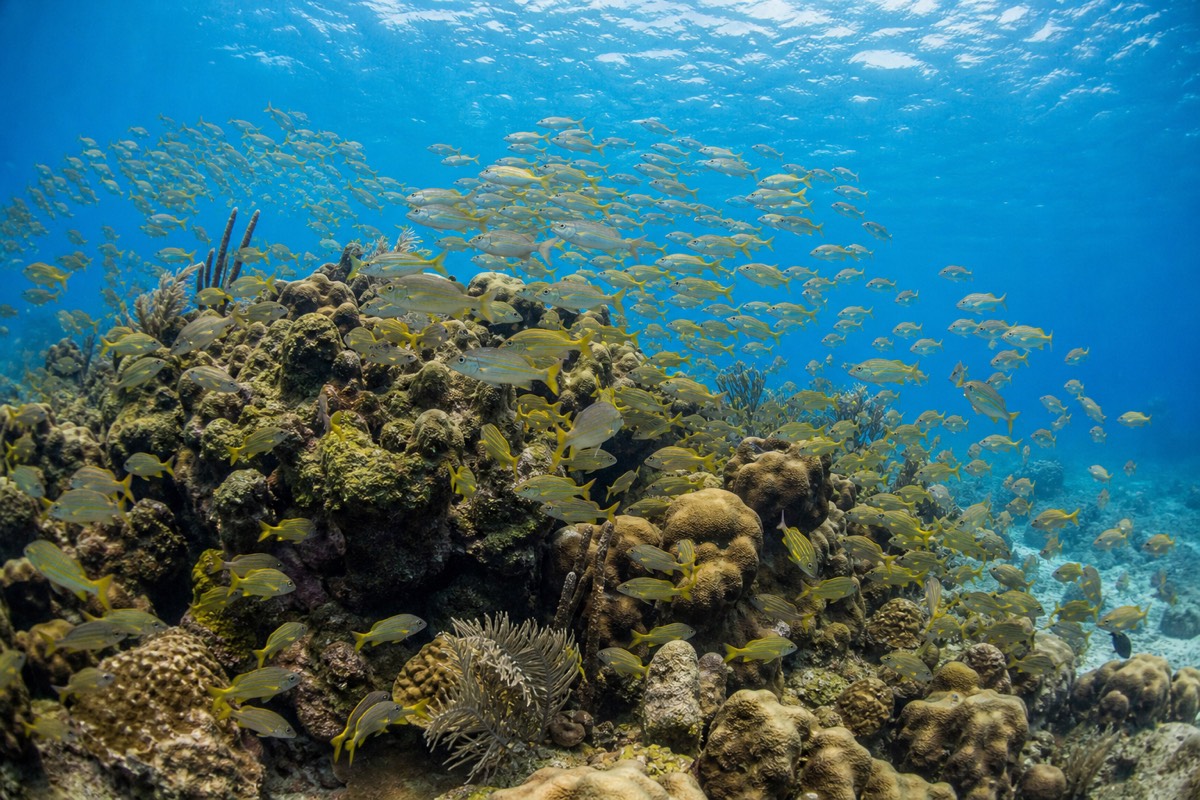
Anyone with a single short port day who came here for the reef. Roatán sits on the Mesoamerican Barrier Reef, the second-largest reef system in the world, close enough to shore that you can snorkel it from the sand at West Bay. Spending your only day inland at a tasting stop is a defensible choice, but it is a choice with a cost.
Also skip it if you want a factory tour in the industrial sense. Nobody advertises a production-line walkthrough here, and a 30-minute tasting is not one. Skip it if you are travelling with teenagers who want speed, because zip lines and ATV runs are what this island does well for that age group. And skip it if you have already booked a wildlife day that includes a rum and chocolate stop, since you would be paying twice for a tasting.
Who should absolutely take it: mixed-mobility groups, families with strollers or very young children, anyone travelling on a wet forecast, and anyone who wants a real look at Coxen Hole rather than only the beach strip. It is also the strongest option on the site for people who dislike boats.
If you want a cultural day with more substance than a tasting, the east end is where to go. Punta Gorda is the first Garífuna settlement in Central America, and the mangrove tunnel tours on the east end reach it through the over-water community at Oak Ridge. The Garífuna language, dance and music are inscribed on UNESCO's Representative List of the Intangible Cultural Heritage of Humanity, which tells you something about the weight of what is on that end of the island.
What we cannot tell you about the Roatán chocolate factory
We do not have verified opening hours, an admission price, a street address, a phone number, a product price list, cacao yield figures or a founding story for the Mayak Chocolate Factory. None of that is published by the operators we work with, so none of it appears on this page.
That is a deliberate gap rather than an oversight. Other pages will give you all of it, confidently and without a source, and some of it will be wrong in a way you only discover standing outside a closed door. What we can stand behind is what the tour listings themselves say: a roughly 30-minute tasting, bars to buy, a bilingual guide, an air-conditioned vehicle, an operating window of 06:00 to 16:00, and accessibility that covers wheelchairs and strollers.
If you want the missing details, the person to ask is your guide, and the private-tour format makes that easy. Message the operator through the booking platform before you travel: the same operators publish a current activity price list on request, and asking in advance is standard practice on the island for anything with an add-on fee.
Language will not be the barrier. Guides on these tours work in English and Spanish, and if you are wondering how far English gets you off the tour, we wrote a separate piece on what language people speak on Roatán. Between that and the guided Roatán tours we list, you should have enough to decide whether half an hour of chocolate belongs in your day.