Roatán Mangrove Tunnel Tours: What to Expect
Roatán's east end runs on water rather than road, and a mangrove tunnel tour is the four hour window most visitors never open: closed green channels, a village on stilts, and a Garifuna food tasting.
Booking Choice: Choose the mangrove boat itself or a broader Punta Gorda combination. Explore Private Mangrove Tunnels Adventure ↗
Price tables and illustrated budgets below are historical planning examples from the earlier guide. The current booking options may be different products; check their dates, inclusions and final prices before comparing costs.
A Roatán mangrove tunnel day, stage by stage
The stage order is the operator's own published itinerary for the mangrove tunnel tour. The clock is our even allowance across the listed 4 to 4.5 hour duration, not an operator schedule, and no road time to Oak Ridge is published. Confirm your pickup and return times when you book.
What is a mangrove tunnel, and why does Roatán's east end have them?
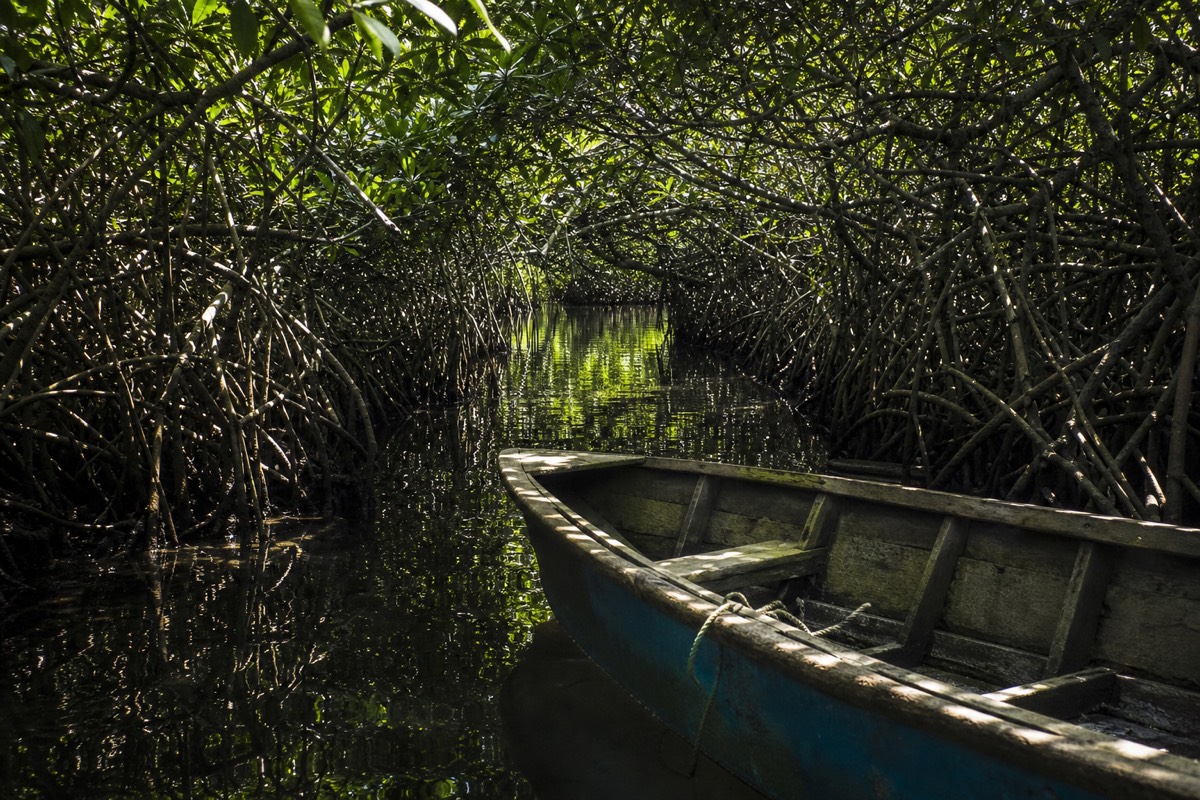
A mangrove tunnel is a narrow water channel cut through mangrove forest, where the trees have grown out across the gap until their branches close overhead and you travel down a green corridor instead of across open sea. Roatán's east end has them because that shoreline is shallow, sheltered and folded into bays rather than exposed to swell.
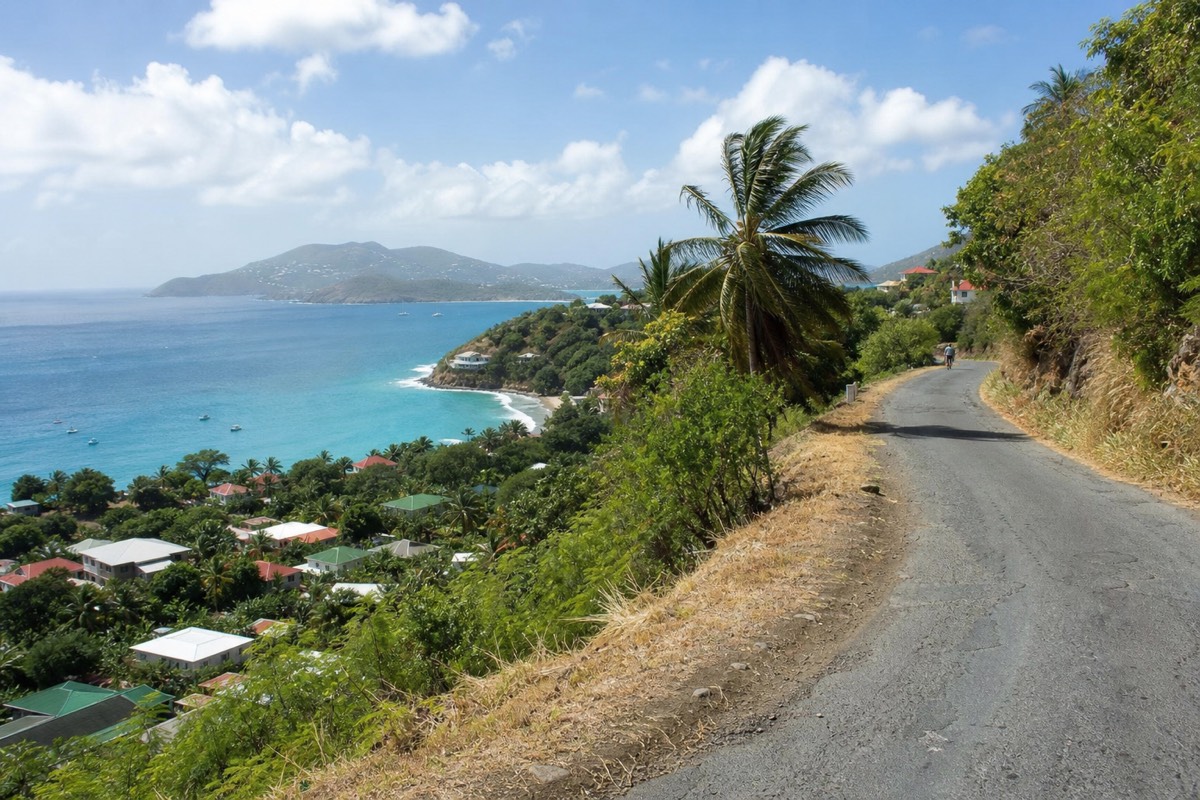
Most visitors see the western third of Roatán and go home believing they saw the island. West Bay, West End, the reef sitting a few metres off the sand, the wildlife parks in the hills. The east end is a different island. Quieter roads, working harbours, timber houses standing out over the water on stilts, and a shoreline where the land does not so much stop as dissolve into root.
Mangroves grow where salt water meets fresh in water shallow enough to hold a tree upright. Their prop roots trap sediment, the sediment builds bank, the bank shelters more water, and more mangrove grows into it. Run that process long enough and a waterway narrows to a corridor barely wider than a hull. That is the tunnel. On the trip we list it is run in a canoe boat, a long low local craft that fits a channel where anything with a proper beam would jam.
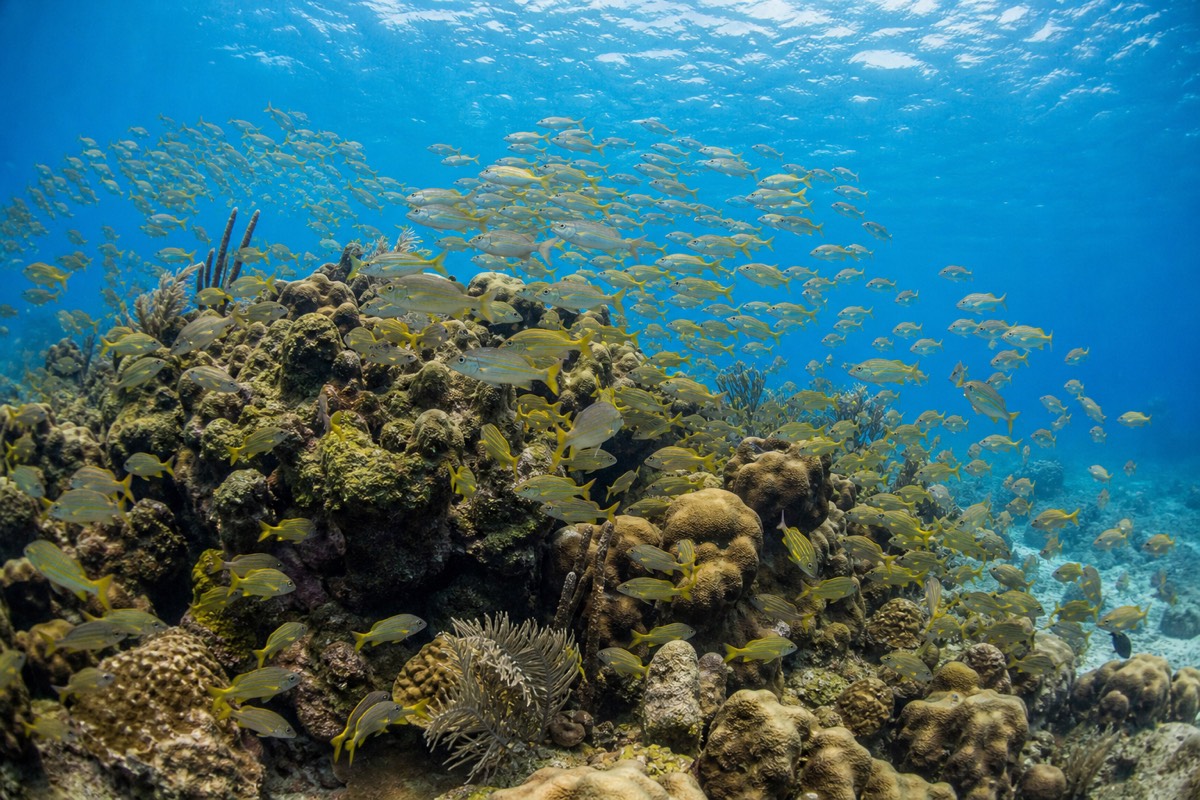
The ecology is why the channel is worth a morning rather than merely photogenic. Root tangles work as nursery habitat: small fish grow up in water too shallow and too cluttered for the things that would eat them out on the reef, then move out to the coral as adults. The same root mass takes the punch out of storm water before it reaches anyone's house. Mangrove, seagrass and reef behave as one connected system, and Roatán sits along the Mesoamerican Barrier Reef, the second largest reef system in the world. NOAA's portal for the Mesoamerican Barrier Reef System is the plainest place to read how far that system runs, and the stewardship side of it, the mooring and no-touch rules the operators we work with hold to on the water, sits with the Roatán Marine Park.
What all of that means as a booking decision is simple. This is a nature and culture trip, not a water sports trip. Nobody puts on a mask. You sit, you look, you listen to an engine at idle, and the day is judged on quiet and detail rather than on adrenaline.
What actually happens on a Roatán mangrove tour, from pickup to drop-off?
The listed mangrove tour runs 4 to 4.5 hours with air conditioned pickup from anywhere on Roatán. It takes in a wildlife encounter, a canoe boat cruise through the mangrove tunnel past Oak Ridge's over-water community and pirate era sites, then Punta Gorda for a traditional food tasting with local drinks before the drive back.
The shape matters more than the clock. Two of those four hours are transfer and village time, and the tunnel itself is a portion of the middle rather than the whole afternoon. Travellers who go in expecting four hours of green corridor come back mildly deflated. Travellers who go in expecting a slice of the island's working east end come back describing it as the best thing they did.
| Stage | What happens | Rough elapsed time |
|---|---|---|
| Pickup | An air conditioned vehicle collects you from the cruise port, hotel, rental or Airbnb, anywhere on the island | 0:00 |
| Wildlife encounter | A guided stop with the island's fauna. The listing describes the session but does not name the venue | 0:35 |
| Transfer east | Road time out of the resort end of the island toward the working harbours | 1:15 |
| Oak Ridge | The over-water community: houses on stilts, boats where cars would be, life at eye level from the water | 1:45 |
| Mangrove tunnel | The canoe boat run through closed green channels, engine slow, remarkably little noise | 2:15 |
| Pirate era sites | Anchorages and hideouts pointed out from the water by the boat captain | 2:50 |
| Punta Gorda | The first Garífuna settlement in Central America, on foot in the village | 3:15 |
| Food tasting | Traditional dishes and local drinks, with machuca named on the listing itself | 3:45 |
| Return | Back to your ship, hotel or rental in the same vehicle | 4:30 |
Two details from the listing change the feel of the day more than anything in that table. The first is group size: this one often runs with just two travellers, which is closer to hiring a boat than joining an excursion. The second is what is and is not in the price. Gratuities for the guides and captains are included, which removes the usual end-of-tour arithmetic. Professional photography prints, souvenirs and hard liquor beyond the tasting drinks are not.
The wildlife stop deserves an honest caveat. The listing describes an encounter session and the species of the island generally, but it does not publish which sanctuary or park you visit, and we are not going to fill that gap with a guess. If seeing sloths and capuchins is the reason you are booking anything at all, read Roatán's sloth and monkey sanctuaries first and pick a tour that names its venue.
How far is the east end from Mahogany Bay and Coxen Hole?
No operator on this site publishes a road time from either cruise terminal to Oak Ridge, so the honest planning number is the tour's own 4 to 4.5 hour block, measured door to door with pickup included. Work backwards from your all-aboard time rather than from a drive time nobody has actually published.
Here is the arithmetic that matters on a port day. Ships generally start putting passengers ashore around 08:00 to 09:00. Several Roatán operators work to a meeting formula of ship arrival plus one hour. All-aboard is typically 16:30 to 17:30, and the sensible habit is to be back at the terminal one to two hours before that. A 09:00 dock, a 10:00 start and a 4.5 hour block puts you back around 14:30. That is comfortable. It is not loose, and it does not leave room for a leisurely beach hour afterwards.
| Where you start | The meeting detail that matters | What the 4 to 4.5 hour block does to your day |
|---|---|---|
| Mahogany Bay | The walk out is uphill to the main gate. Wheelchair and scooter users can take a $2 taxi over the hill instead | A 09:00 dock lands you back around 14:30 against an all-aboard of 16:30 to 17:30. Workable, with no second excursion after it |
| Coxen Hole | Exit Gate #3 and look across the street. Some operators meet at Kiosk #1, others just past the Piraña Joe shop | The same block, but this is the island's main town, so add the minutes it takes to clear a busy port area on a multi-ship day |
| Hotel in West Bay or West End | Pickup from anywhere on the island is included, so the transfer is the operator's problem rather than yours | No ship clock at all. This is the version of the day we would choose if you have the choice |
| Arrival or departure day at RTB | Not a sensible pairing with a flight | Give it a full day. A tour that ends on the far side of the island is the wrong thing to squeeze against check-in |
One thing you can control is which terminal you are dealing with in the first place, and plenty of passengers do not know until they board. Our guide to which cruise terminal your ship uses sets out the difference, because Mahogany Bay and Coxen Hole are genuinely two different places rather than two names for one pier.
There is an upside to the distance that rarely gets said out loud. On the heaviest days, three to five and sometimes four to six large ships put several thousand people ashore at once, and almost all of them go west. The east end is the direction the crowd is not travelling. If you have done Roatán before and remember West Bay at noon in February, that alone is an argument.
What is Oak Ridge, and what does life without roads look like from a boat?
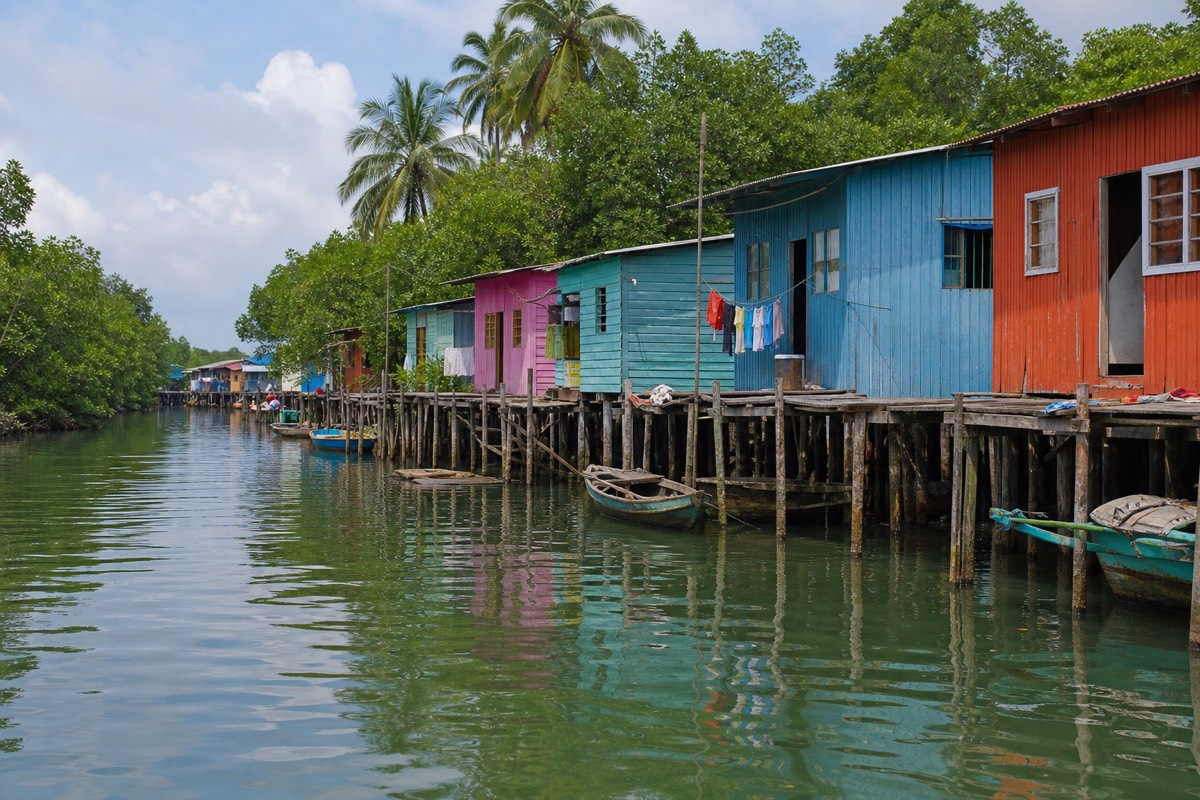
Oak Ridge is a community on Roatán's east end built out over the water on stilts, reached through the mangrove channels by canoe boat. Residents live and work there without roads, which makes a boat the equivalent of a car. You see it from the water, at the level people actually live at.
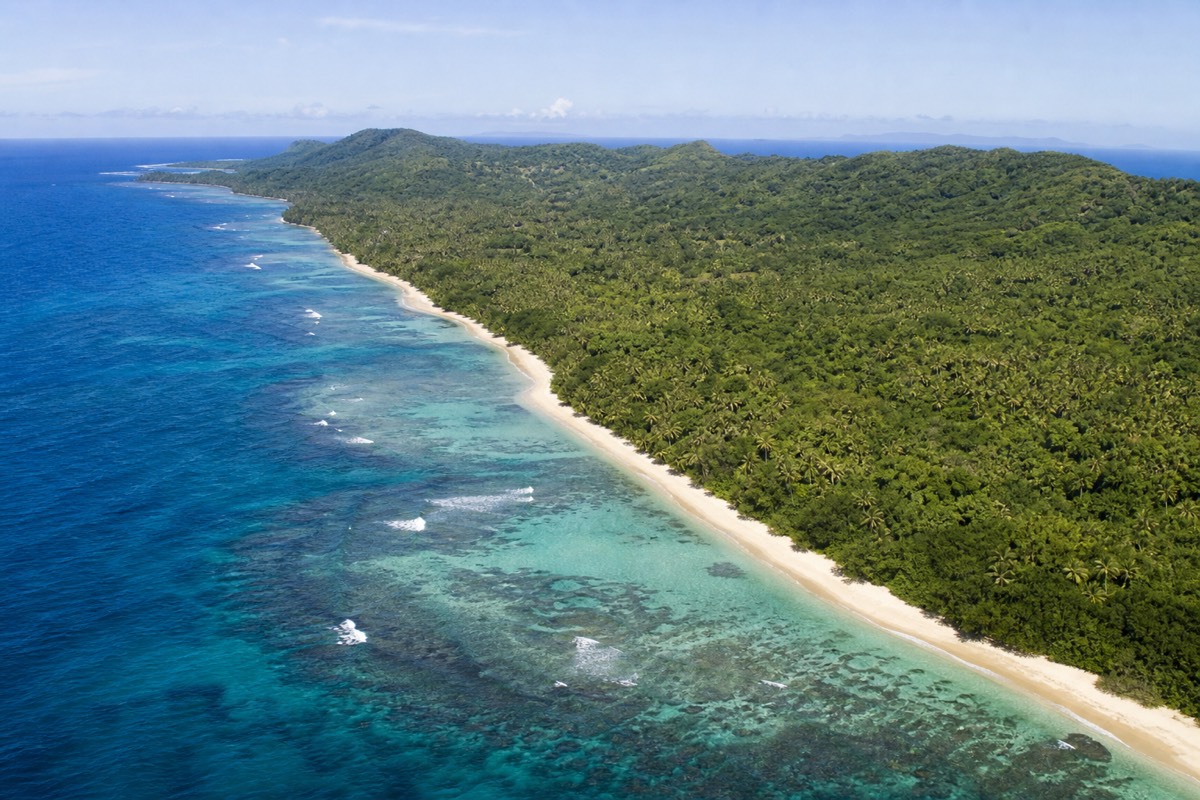
This is the part travellers describe when they get home, more often than the tunnel itself. Timber houses standing on legs above their own reflection. Walkways instead of pavements. Boats tied where a driveway would be, and a shipwright's yard where a garage would be. Nothing about it is staged for visitors, which is exactly why it holds attention.
It also imposes an obligation, and we would rather say it plainly than dress it up. These are homes. A person washing dishes at a window three metres from your boat is not an exhibit, and a camera lens pointed at them from a passing hull is not neutral. Wave first. Ask before you shoot a person. Put the phone down for a stretch of the channel and just watch. The captains who run this route live here or near here, and the tone you set travels back to the community long after you have flown home.
The practical detail: the boat sits low, the channel is narrow, and the engine is at idle for much of it, so the soundtrack is birds, water and whatever conversation is happening on the walkways. That silence is the product. Groups that treat it as a photo run get considerably less out of it than groups that shut up for ten minutes.
What does the pirate history on the mangrove route actually amount to?
The operator's listing says the route passes sites last used by real pirates, and that the boat captain will point out where they anchored. That is the entire documented claim, and we are not going to extend it with names or dates we cannot stand behind. Expect storytelling from someone who knows the water, not a sourced history with plaques.
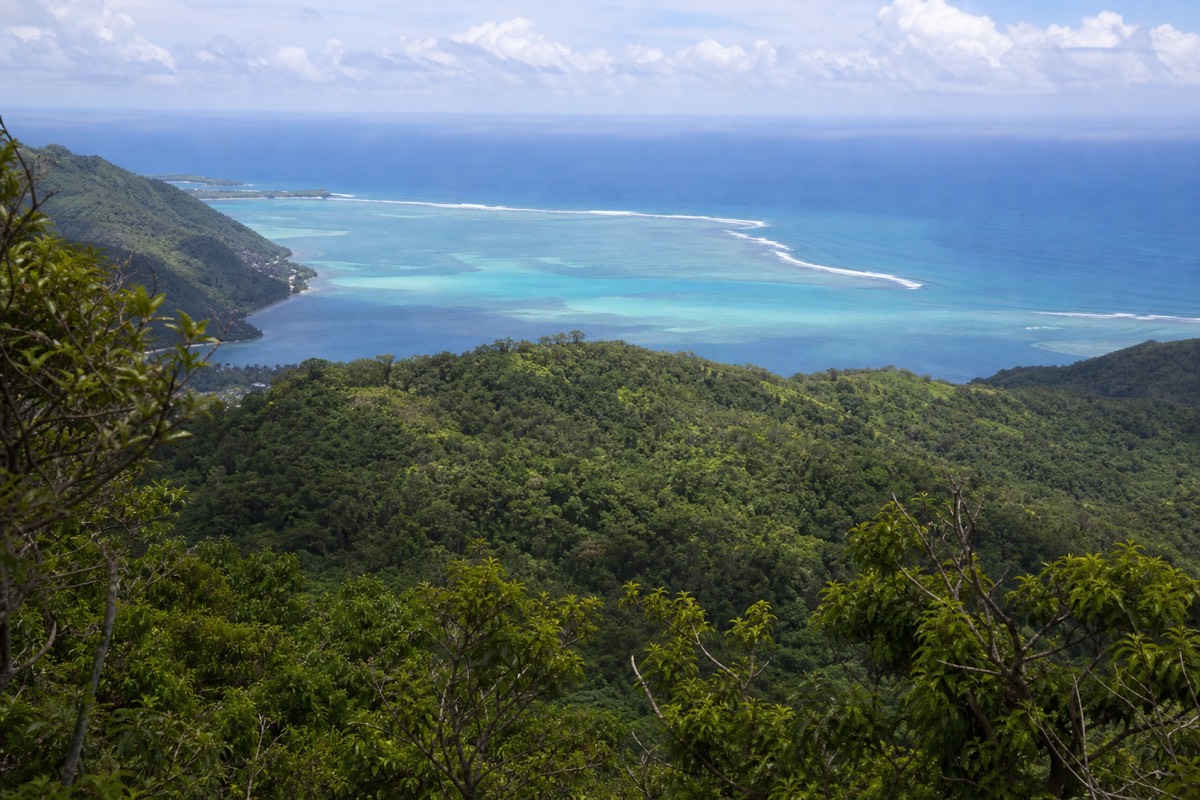
You can see why the geography would suit anyone who wanted to disappear. The channels are narrow, blind and shallow. A boat two turns ahead of you is invisible and inaudible. Anything with a deep keel cannot follow. Whether the specific bend your captain gestures at held a specific ship in a specific decade is not something a web page can confirm, and pretending otherwise would be the easiest lie on this entire site to tell.
So take it as what it is: local oral history, told well, in the place it refers to. Enjoy it. Ask the captain questions rather than accepting the headline, because the follow-up answers tend to be the interesting part. If you want documented history rather than told history, that is a research trip and this is not it.
What is the Punta Gorda food tasting, and is it a meal?
Punta Gorda sits on Roatán's east end and is described by the operators who go there as the first Garífuna settlement in Central America. The tour finishes with a traditional food tasting and local drinks, with machuca, a plantain soup, named on the listing itself. Treat it as a tasting rather than lunch, and eat something beforehand.
Roatán's food, as the site's own copy has it, mixes Garífuna, Afro-Caribbean, indigenous and mestizo influence, and the island is careful not to pin every dish to a single origin. Alongside machuca, the food you meet across the island runs to pastelitos, stewed chicken in coconut milk with plantains, grilled fish, rice and beans, ceviche, conch and lobster. What appears on the table at the tasting is the community's call on the day, not a fixed menu we can print in advance.
The cultural weight here is real and it is recognised beyond Honduras. The language, dance and music of the Garífuna are inscribed on UNESCO's Representative List of the Intangible Cultural Heritage of Humanity, an inscription that covers Belize, Guatemala, Honduras and Nicaragua. A half day tasting is an introduction to that and nothing more, which is a point worth holding onto. Our fuller treatment of Garifuna culture on Roatán covers how to visit the village well, what the food actually is, and where the honest limits of a short visit lie.
If food is the reason you came, the island's other route into the same kitchen is a hands-on cooking class covering pastelitos and stewed chicken in coconut milk, which is a different product with a different price and a 14 and over age limit. Sweeter routes exist too: the chocolate and rum side of the island turns up on a separate itinerary, covered in our notes on visiting the Roatán chocolate factory.
How hot, humid and buggy is a mangrove channel really?
Hot and humid, and the operator says so itself: the listing tells you to bring bug repellent, and the tour's own advice is to reach the docks before the midday sun turns the tunnels muggy. Day excursions on Roatán run in roughly 28 to 33°C with high humidity, and a closed canopy removes the breeze that makes that bearable elsewhere.
This is the section most mangrove tour pages skip, so here it is honestly. A mangrove channel is a windless room with a green ceiling. On open water between stops you get sun and glare with no shade at all. In the tunnel you get still air, warm water below and insects that live there year round. Sandflies and mosquitoes are on the island's standard packing list for a reason, and the two hours after sunrise and before sunset are when they are most interested in you.
None of that makes the trip unpleasant if you plan for it. It makes it unpleasant if you turn up in a vest with no repellent at 13:00. Before any trip to Honduras, the mosquito-borne illness and general health prep on the CDC's Honduras travel health page is a five minute read that is worth doing once, well ahead of the flight rather than the morning of the tour.
| Condition | What to expect | What actually helps |
|---|---|---|
| Heat | Day excursions run in around 28 to 33°C with high humidity | Take the morning window. The vehicle is air conditioned, the boat is not |
| Air inside the tunnel | The canopy closes the breeze out. The tour's own advice is to reach the Oak Ridge docks before midday | A light long sleeve layer beats bare arms once the sun is high |
| Sun on open water | The runs between stops are fully exposed | Wide brim hat, polarised sunglasses, high SPF applied before pickup rather than on the boat |
| Insects | The listing names bug repellent as a thing to bring. Sandflies and mosquitoes are both on the island | Repellent before you board and again after the boat, ankles included |
| Boat motion | A canoe boat in sheltered channels is stable, but it sits low | Motion sickness tablets before pickup if you are sensitive, not once you feel it |
| Rain | July to October carries the heaviest rainfall and the slickest walkways | A packable rain layer, and shoes you can trust on wet timber |
| Footing | Village paths and boat steps rather than level surfaces | Grippy sandals or trainers, and hands free for getting in and out |
What should you pack for a Roatán mangrove tour?
Insect repellent first, because the operator asks for it by name. After that: sun cover you can keep on, grippy shoes, a dry bag or waterproof phone case, small USD bills and a water bottle. Nothing on this list is expensive, and every item on it exists because of something the island's own copy warns about.
| Item | Why it earns its place | Our note |
|---|---|---|
| Insect repellent | Named on the tour listing itself, not our invention | The single item we would go back for |
| Light long sleeve layer | Sun on the water, insects in the shade | Quick-dry beats cotton in this humidity |
| Wide brim hat and polarised sunglasses | Glare on open water between stops | Polarised lenses also let you see into the channel rather than off it |
| High SPF waterproof sunscreen | Standard Roatán packing item | Apply before pickup, top up before the boat |
| 1 litre reusable water bottle | Heat plus humidity plus a village walk | Drinks are part of the tasting, but that is late in the day |
| Small USD bills | The island runs largely on USD and small vendors do not reliably take cards | Small denominations, not fifties |
| Dry bag or waterproof phone case | A low boat, spray, and humidity that fogs a lens | Also keeps repellent off a screen |
| Grippy shoes or sandals | Wet timber and uneven village paths | Not flip-flops, not new white trainers |
| Packable rain layer | Worth carrying especially May to October | A poncho weighs nothing |
| Motion sickness tablets | If you are sensitive to boats at all | Taken before pickup, not on the dock |
Two things you can leave behind. A big camera rig is more liability than asset in a low boat with wet hands and closing branches. And a drone has no place over anyone's house, which is what Oak Ridge is.
When are the mangrove tunnels at their best?
January to March gives the best odds of calm, clear waterways, April to June puts the most wildlife in the roots at the cost of brutal midday humidity, and July to October is the greenest and the wettest. November is the value pick if you can take it, with low cruise traffic and prices well off peak.
The site's own material does not speak with one voice on this, and rather than pick the version that sells best we will show you the seam. The tour pages use three season bands. The homepage FAQ ranks November as the single best month of the year. A third section names March to June and September to October as the calmest seas and clearest visibility. The honest synthesis: January to April is the most reliable weather but the busiest, while November and May are where value and comfort meet. Our full month-by-month read is in the best time of year to visit Roatán.
| Band | Months | What the operators say | The trade-off |
|---|---|---|---|
| Heritage peak | January to March | Best probability of calm, clear waterways for the canoe loop | The island's heaviest cruise volume. Book this tour around a week ahead |
| Golden heat | April to June | Highest chance of seeing wildlife active in the mangrove roots | Midday humidity is at its worst inside a closed channel |
| Verdant green | July to October | The greenest canopy over the tunnels | Higher rainfall, slick walkways, more weather-dependent boat time |
| November | November | Called the single best month on the homepage: 28 to 31°C, sea around 28°C, humidity dropping, rainfall falling away | Very low cruise traffic and tours and rooms 20 to 40% cheaper than peak, but confirm your operator is running that week |
| May | May | The strong second choice: dry season ending, warm sea, few ships once spring break clears | Sits inside the heat band, so the humidity warning still stands |
Is the Roatán mangrove tour accessible, and who is advised against it?
The listing states plainly that this tour is not wheelchair accessible, and that it is not advised for pregnant travellers or people with heart problems. Those three are firm. Everything else, including a minimum age, is unpublished, which means asking the operator rather than reading an answer off a page.
| Traveller | What the listing states | Our read |
|---|---|---|
| Wheelchair users | Not wheelchair accessible | A firm no. The canoe boat and village paths are the reason, and neither can be worked around |
| Pregnancy | Not advised | Take it at face value rather than arguing with it |
| Heart problems | Not advised | Same. Heat plus a boat plus a village walk is the combination behind that line |
| Limited mobility or balance | Not stated | The test is stepping in and out of a low boat and walking uneven paths, not distance covered |
| Non-swimmers | Not stated | No swimming stop is listed. This is a cruise, so swimming ability is not the gate here |
| Young children | No minimum age published | Quiet boat time, real heat and a tasting rather than a lunch. Ask before booking, and be honest about your child's patience |
| Older travellers | Not stated | The reef snorkel sets an upper limit of 70. This one publishes none, so judge it on heat tolerance and boat steps |
| Groups of more than four | Often runs with just two travellers | The intimacy is the selling point. Confirm capacity before assuming a party of eight fits |
If step-free access is the issue rather than interest, there is a genuine alternative on this site. The chocolate, rum and markets island tour is published as wheelchair and stroller accessible with infant seats available, and it reaches the island's culture through Coxen Hole, the Rusty Fish craft market and a tasting stop instead of through a boat. It is not the same day. It is an honest substitute for the same appetite.
Mangrove tunnel or reef snorkel: which Roatán nature day suits you?
Book the mangrove tour if you want quiet, culture and a side of the island most visitors never reach. Book the reef trip if you came to Roatán for the water and have not yet been in it. On a single port day with no repeat visit planned, the reef is the more defensible choice, and we would rather say that than sell you the wrong morning.
| What you are weighing | Mangrove tunnel and Garífuna village | Three-stop reef snorkel | Guided jungle wildlife tour |
|---|---|---|---|
| Listed from-price | $95 | $85 | $45 |
| Listed hours | 4 to 4.5 | 4 to 4.5 | 2 |
| Where the time goes | East end water, an over-water village, a Garífuna settlement | Shallow marine park, the barrier reef, then the drop-off wall | A named animal sanctuary, plus whatever you add to it |
| Do you get wet | No | Yes, that is the entire point | No |
| Heat exposure | High, humid, very little breeze | High, but you spend it in the water | Moderate and largely shaded |
| Best for | Culture-first travellers, quiet-seekers, second and third visits | First-timers who came for the Mesoamerican reef | Short port days, families, tight budgets |
| Watch out for | Insects, no step-free access, a tasting rather than lunch | Not suitable for non-swimmers or travellers over 70 | Two hours passes quickly once transfers are counted |
The reef case is easy to make and we make it elsewhere: our rundown of the best snorkelling spots on Roatán covers where the water actually rewards you. The short-day case belongs to the two-hour guided jungle wildlife tour, which is the cheapest way on this site to see the island's animals with a guide who names the sanctuary. The mangrove case is the one this page exists to make, and it is a case about texture rather than spectacle.
How do you photograph a mangrove tunnel and a working village?
Expose for the bright gap at the end of the channel and accept dark roots, keep a cloth handy because humidity fogs a lens the moment you step off an air conditioned vehicle, shoot wide rather than zoomed from a moving boat, and never point a camera at a person in Oak Ridge or Punta Gorda without asking first.
The technical problem in a mangrove tunnel is contrast. Your eye handles a dark green corridor with a blazing exit; a phone sensor does not. Tap to expose on the mid-tones of the roots rather than the sky, and let the far opening blow out. The other problem is motion: a low boat under branches is a moving platform in low light, so burst shots beat single frames and a wide lens beats a zoom every time.
The human part matters more than any of that. In a village where people live over the water and walk past your boat on their own walkway, consent is the entire etiquette. Ask, and ask in a way the person can decline. A gesture at your camera with raised eyebrows does the job, though a word helps: English, Spanish and Garifuna all live on this island, and what language people speak on Roatán is a genuinely useful five minute read before you go. If someone says no, that is the end of it.
Finally, note that professional photography prints are listed as not included on this tour. Whatever you take home, you take with your own camera, which is one more reason to protect it from spray.
Who should skip a Roatán mangrove tour, and who should book it?
Skip it if you have one short port day and have never snorkelled the reef, if you need step-free access, or if heat and insects genuinely spoil your day. Book it if you have seen the west end already, if quiet interests you more than adrenaline, or if you are travelling as a couple and want something closer to a private boat than a coach.
The people who consistently get the most from this trip, judging by what the operators publish and what travellers tell us, are repeat visitors and slow travellers. They have done West Bay. They have met the sloths. They want to know what the other end of the island is like, and they are content to spend two of the four hours in transit to find out. If that describes you, the mangrove tunnel and Garifuna village tour is the only product on this site that actually runs the tunnel, and at 4.9 on Viator with 661 or more bookings behind it, it is not a punt.
The people who should think twice are the first-time cruise passengers on a nine-to-five window with a reef they have never seen sitting twenty minutes the other way, anyone who needs wheels rather than steps, and families with small children who will be measured against a quiet boat and a village walk in the heat. Roatán is a safe island to move around by most measures, and our read on how safe Roatán actually is covers the practical precautions, but safety is not the constraint here. Stamina and interest are.
One middle path is worth knowing about. The fully custom private island day at $68 for eight hours lets you build the itinerary from a menu that includes village visits, viewpoints, wildlife and beach time with a guide who has been running the island since 2003. It does not put you in the mangrove tunnel, and we are not going to imply that it does. What it does is let you decide where the day goes at 11:00 instead of at booking. Between that, the dedicated mangrove trip and the rest of the guided Roatán tours we list, most versions of a good east end day are covered. Read the listing, check the live price, and pick the one that matches the day you actually have.